 No KYC
 Proof-of-Stake
 Blockchain Verified
 Non-Custodial
 Auto-Compounding
How to Start Bitcoin Mining: A Beginner's Step-by-Step Guide 2024
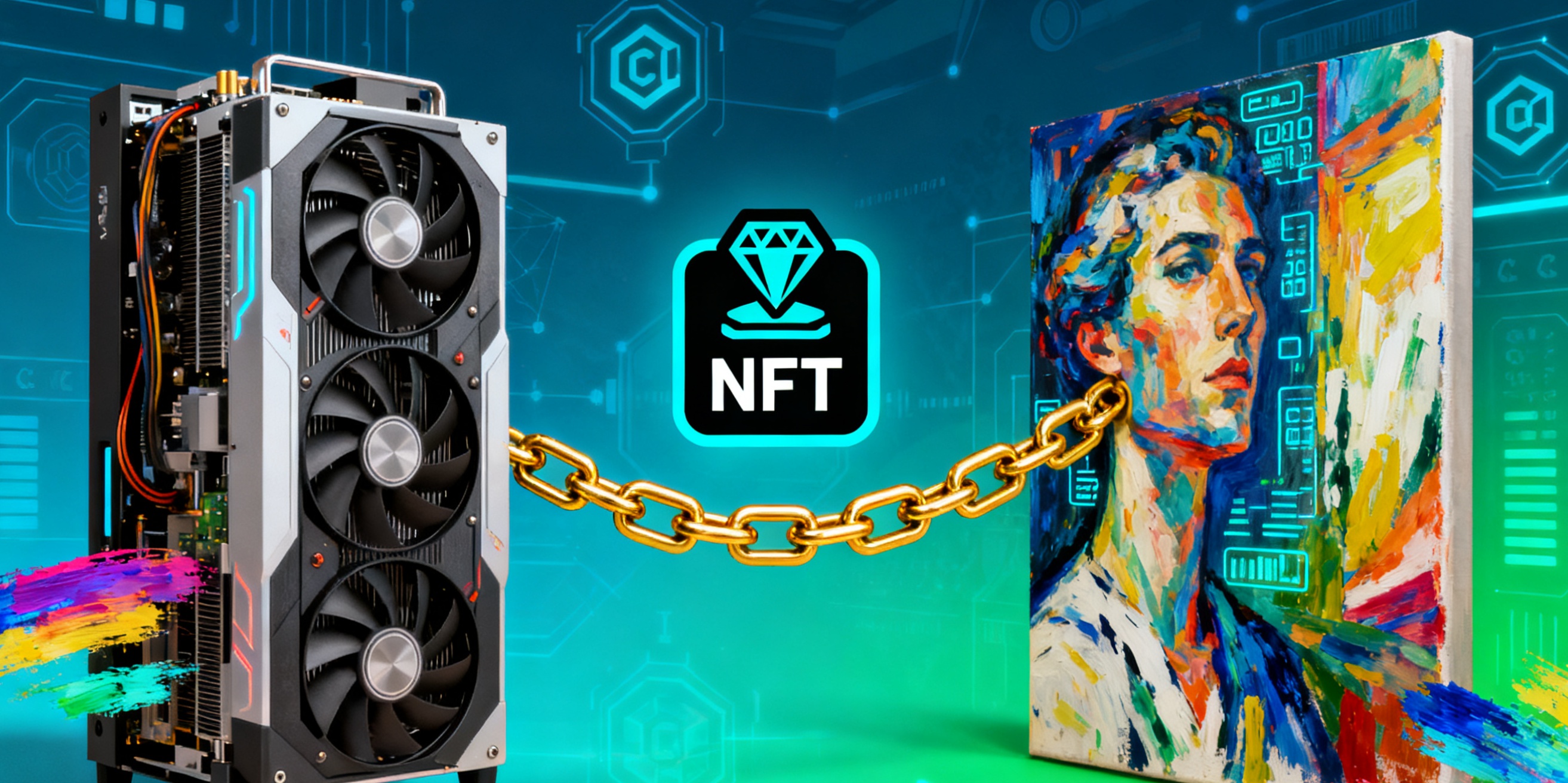
Bitcoin mining is the process that secures the network and creates new bitcoins. For newcomers, it can seem complex. This guide breaks down how to get started with Bitcoin mining in clear, actionable steps.
The first step is understanding what mining entails. Miners use specialized computers to solve complex mathematical puzzles. By doing so, they validate groups of transactions called blocks. Successfully adding a block to the Bitcoin blockchain rewards the miner with newly minted bitcoins and transaction fees. This process requires significant computational power and electricity.
Next, you must choose your mining hardware. In the early days, ordinary computers could mine Bitcoin. Today, you need specialized hardware called ASICs (Application-Specific Integrated Circuits). These machines are designed solely for mining and offer vastly superior performance. Research models like the Bitmain Antminer series or Whatsminer models, considering their hash rate, power consumption, and cost.
After securing hardware, select mining software. This software connects your hardware to the Bitcoin blockchain and your chosen mining pool. Popular options include CGMiner, BFGMiner, and EasyMiner. The software does not control your earnings directly but is essential for operation.
Joining a mining pool is crucial for most individual miners. The difficulty of mining is so high that solo mining is unlikely to yield a reward. A mining pool combines the computational power of many miners, increasing the chance of solving a block. Rewards are then distributed among pool members based on contributed power. Research pools like Foundry USA, Antpool, or F2Pool for their fee structures and payout schemes.
Do not overlook the importance of a Bitcoin wallet. This is where you will store your mining rewards. Choose a secure wallet, such as a hardware wallet (Ledger, Trezor) for large amounts or a reputable software wallet. You will need to provide your wallet address to your mining pool for payouts.
Finally, calculate your costs and profitability. The major ongoing cost is electricity. Mining is power-intensive, and your profit depends heavily on your local electricity rate. Use online Bitcoin mining calculators to input your hardware's hash rate, power consumption, electricity cost, and pool fees. This will give you a realistic estimate of potential earnings or losses.
In conclusion, getting started with Bitcoin mining involves research and investment. You need ASIC hardware, mining software, a pool membership, and a secure wallet. Always run detailed profitability calculations before purchasing equipment. As the network evolves, continuous learning is key to successful participation in Bitcoin mining.
Comment