

Daily Auto-Yield 2.7%

Auto-compounded. No lock, no transfer required. Your funds stay in your wallet with complete control.

No KYC No KYC Proof-of-Stake Proof-of-Stake Blockchain Verified Blockchain Verified Non-Custodial Non-Custodial Auto-Compounding Auto-Compounding



How Does Bitcoin Mining Work? A Beginner's Step-by-Step Guide
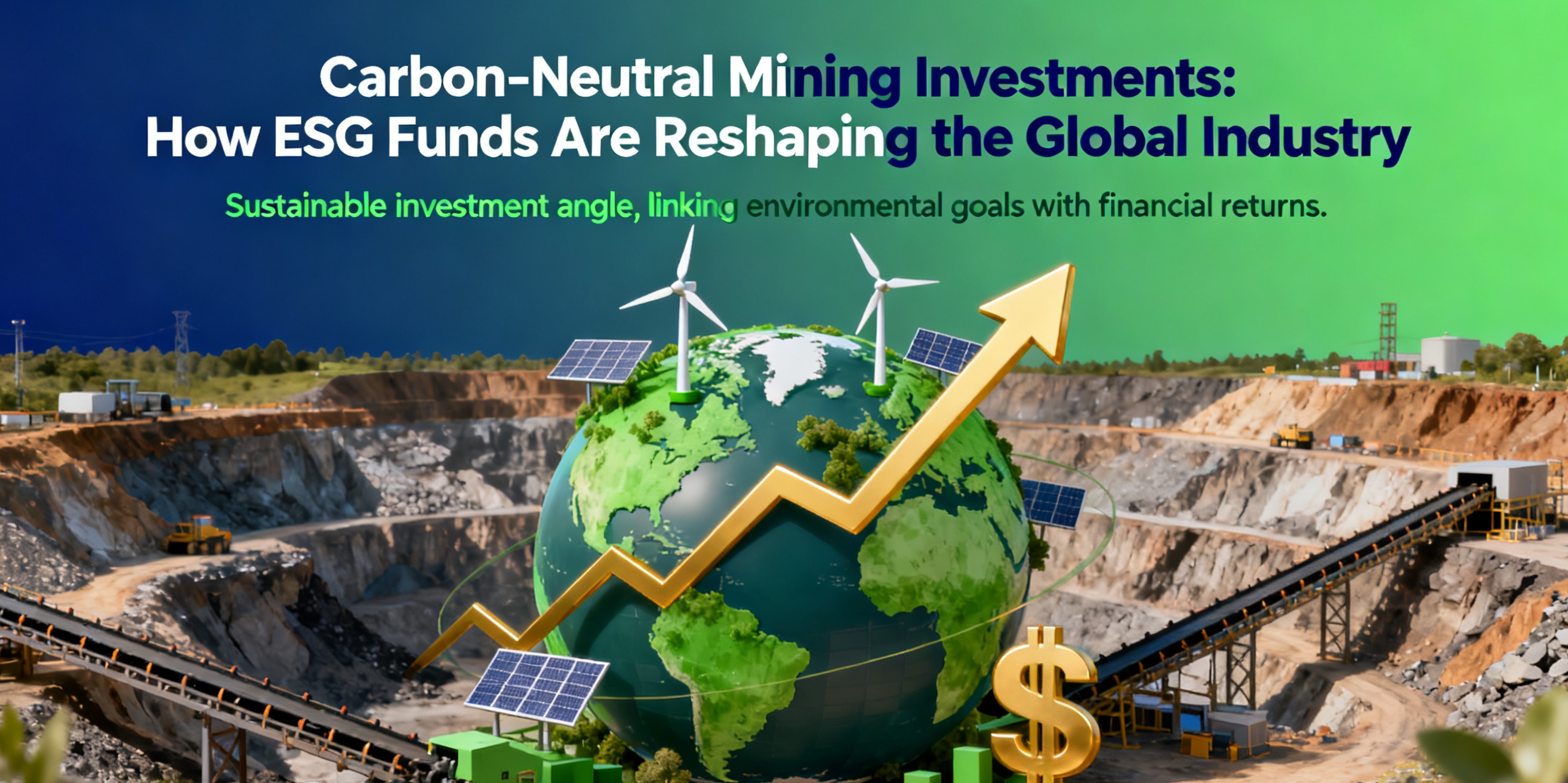
How Does Bitcoin Mining Work? A Beginner's Step-by-Step Guide

Bitcoin mining is a fundamental process that powers the entire Bitcoin network. At its core, it serves two critical purposes: it creates new bitcoins in a decentralized way and secures all transactions by adding them to the public ledger, known as the blockchain. For newcomers, the concept can seem complex, but breaking it down reveals an elegant system of digital incentives.

Imagine the blockchain as a massive, shared accounting book. Every ten minutes or so, a new page (called a "block") needs to be added. This page contains a list of the latest verified Bitcoin transactions. Bitcoin miners are the auditors competing to compile that next page. However, to prevent anyone from cheating or altering the records, adding a block requires solving an extremely difficult cryptographic puzzle.

This puzzle involves taking the data of the candidate block and running it through a hash function (SHA-256). Miners must find a specific, random number (a "nonce") that, when combined with the block data, produces a hash output that meets a strict target set by the network. This target ensures the hash starts with a certain number of zeros. It's a trial-and-error process of guessing quintillions of possibilities per second. The first miner to find a valid hash gets to propose the next block to the network.

Why would anyone invest in powerful computers and spend enormous amounts of electricity for this? The answer is the block reward. The successful miner is rewarded with newly minted bitcoins—this is how new bitcoins enter circulation. As of now, this reward is 6.25 BTC per block, but it halves approximately every four years in an event called the "halving." Additionally, the miner collects all the transaction fees from the transactions included in their block. This financial reward is the engine that drives the security of the network.

The difficulty of the mining puzzle automatically adjusts every 2,016 blocks (roughly two weeks) based on the total computing power, or "hash rate," dedicated to the network. If more miners join, the difficulty increases to maintain the ten-minute block time. If miners leave, the difficulty decreases. This self-regulating mechanism ensures the system remains stable and predictable, regardless of market fluctuations or technological advances.

Today, individual mining with a standard computer is virtually impossible. The competition is dominated by professional mining operations and pools—groups of miners who combine their computational power to have a better chance of solving a block and then share the rewards proportionally. These operations are often located in regions with access to cheap electricity, as energy consumption is the primary cost of mining.

Understanding Bitcoin mining is key to grasping Bitcoin's decentralized nature. It replaces the need for a central bank or trusted third party with a transparent, rules-based system where participants are incentivized through cryptography and economics to act honestly. The process guarantees that altering past transactions would require an astronomical amount of computing power, making the blockchain immutable and secure. In essence, mining transforms electricity and computational work into the world's most robust digital currency.

Comment

MTMining

Decentralized USDC Auto-Yield Platform
No KYC
Proof-of-Stake
Blockchain Verified
Non-Custodial

How Does Bitcoin Mining Work? A Beginner's Step-by-Step Guide

How Does Bitcoin Mining Work? A Beginner's Step-by-Step Guide

Bitcoin mining is a fundamental process that powers the entire Bitcoin network. At its core, it serves two critical purposes: it creates new bitcoins in a decentralized way and secures all transactions by adding them to the public ledger, known as the blockchain. For newcomers, the concept can seem complex, but breaking it down reveals an elegant system of digital incentives.

Imagine the blockchain as a massive, shared accounting book. Every ten minutes or so, a new page (called a "block") needs to be added. This page contains a list of the latest verified Bitcoin transactions. Bitcoin miners are the auditors competing to compile that next page. However, to prevent anyone from cheating or altering the records, adding a block requires solving an extremely difficult cryptographic puzzle.

This puzzle involves taking the data of the candidate block and running it through a hash function (SHA-256). Miners must find a specific, random number (a "nonce") that, when combined with the block data, produces a hash output that meets a strict target set by the network. This target ensures the hash starts with a certain number of zeros. It's a trial-and-error process of guessing quintillions of possibilities per second. The first miner to find a valid hash gets to propose the next block to the network.

Why would anyone invest in powerful computers and spend enormous amounts of electricity for this? The answer is the block reward. The successful miner is rewarded with newly minted bitcoins—this is how new bitcoins enter circulation. As of now, this reward is 6.25 BTC per block, but it halves approximately every four years in an event called the "halving." Additionally, the miner collects all the transaction fees from the transactions included in their block. This financial reward is the engine that drives the security of the network.

The difficulty of the mining puzzle automatically adjusts every 2,016 blocks (roughly two weeks) based on the total computing power, or "hash rate," dedicated to the network. If more miners join, the difficulty increases to maintain the ten-minute block time. If miners leave, the difficulty decreases. This self-regulating mechanism ensures the system remains stable and predictable, regardless of market fluctuations or technological advances.

Today, individual mining with a standard computer is virtually impossible. The competition is dominated by professional mining operations and pools—groups of miners who combine their computational power to have a better chance of solving a block and then share the rewards proportionally. These operations are often located in regions with access to cheap electricity, as energy consumption is the primary cost of mining.

Understanding Bitcoin mining is key to grasping Bitcoin's decentralized nature. It replaces the need for a central bank or trusted third party with a transparent, rules-based system where participants are incentivized through cryptography and economics to act honestly. The process guarantees that altering past transactions would require an astronomical amount of computing power, making the blockchain immutable and secure. In essence, mining transforms electricity and computational work into the world's most robust digital currency.

Comment