

Daily Auto-Yield 2.7%

Auto-compounded. No lock, no transfer required. Your funds stay in your wallet with complete control.

No KYC No KYC Proof-of-Stake Proof-of-Stake Blockchain Verified Blockchain Verified Non-Custodial Non-Custodial Auto-Compounding Auto-Compounding



How to Start Bitcoin Mining: A Beginner's Step-by-Step Guide 2024
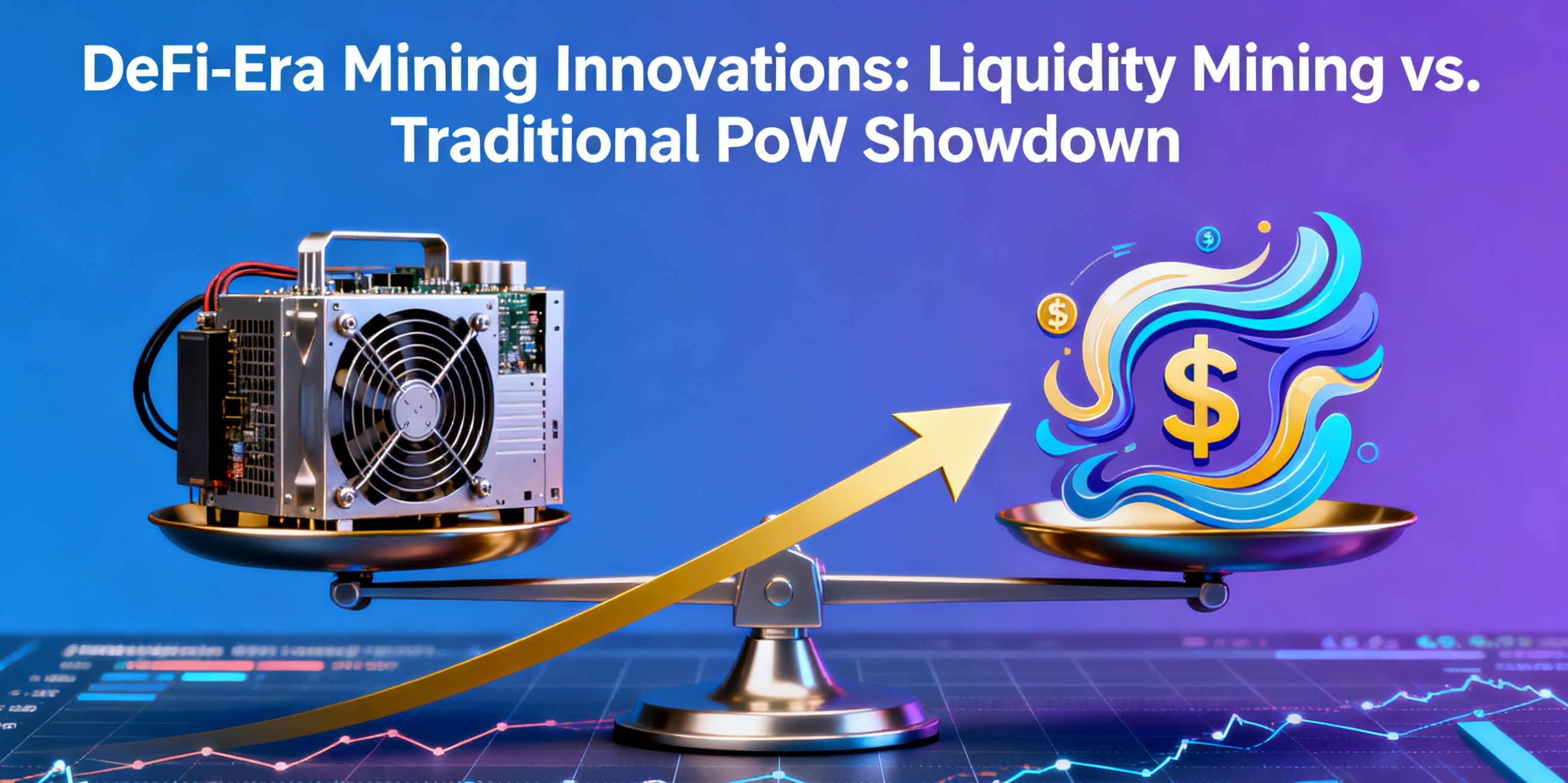
How to Start Bitcoin Mining: A Beginner's Step-by-Step Guide 2024

Bitcoin mining is the process that secures the network and creates new bitcoins. For newcomers, setting up a miner can seem complex. This guide breaks down the essential steps, hardware choices, and key considerations to start your Bitcoin mining journey.

The first step is understanding the core components. You will need specialized hardware called ASIC miners, a reliable internet connection, mining software, and access to a mining pool. Additionally, you must consider electricity costs, which are a major factor in profitability. Conducting thorough research before investing is crucial.

Choosing the right hardware is critical. Application-Specific Integrated Circuit miners are the only viable option for Bitcoin mining today. Popular models come from manufacturers like Bitmain and MicroBT. When selecting a miner, evaluate its hash rate, energy efficiency, upfront cost, and noise output. Balance your budget with the potential return on investment.

Next, you need to select a mining pool. Solo mining is highly unlikely to yield rewards due to Bitcoin's immense difficulty. Joining a pool combines your computational power with other miners, granting more frequent, smaller rewards. Research pools like Foundry USA, Antpool, or F2Pool, comparing their fee structures, payout methods, and reputations.

Software connects your hardware to the pool and blockchain. Many ASIC miners come with proprietary software, or you can use third-party options like Braiins OS or Awesome Miner. Configuration typically involves entering your pool's address and your Bitcoin wallet address. Ensure your mining software is from a trusted source to avoid security risks.

A suitable mining environment is often overlooked. ASIC miners generate significant heat and noise. You need a cool, well-ventilated space such as a basement or a dedicated shed. Some miners resort to immersion cooling for efficiency. Proper setup prevents overheating and extends your hardware's lifespan.

The final step is calculating profitability and managing your earnings. Use online calculators to input your hardware's specs, electricity cost, and pool fees. This will estimate your potential earnings. Always secure your earnings in a cryptocurrency wallet, preferably a hardware wallet for large amounts, never on an exchange.

Bitcoin mining is an evolving, competitive industry. Success requires continuous learning about market trends, network difficulty, and technological advancements. Start small, manage risks wisely, and prioritize understanding the ecosystem over quick profits. With careful planning, you can effectively set up your own Bitcoin mining operation.

Comment

MTMining

Decentralized USDC Auto-Yield Platform
No KYC
Proof-of-Stake
Blockchain Verified
Non-Custodial

How to Start Bitcoin Mining: A Beginner's Step-by-Step Guide 2024

How to Start Bitcoin Mining: A Beginner's Step-by-Step Guide 2024

Bitcoin mining is the process that secures the network and creates new bitcoins. For newcomers, setting up a miner can seem complex. This guide breaks down the essential steps, hardware choices, and key considerations to start your Bitcoin mining journey.

The first step is understanding the core components. You will need specialized hardware called ASIC miners, a reliable internet connection, mining software, and access to a mining pool. Additionally, you must consider electricity costs, which are a major factor in profitability. Conducting thorough research before investing is crucial.

Choosing the right hardware is critical. Application-Specific Integrated Circuit miners are the only viable option for Bitcoin mining today. Popular models come from manufacturers like Bitmain and MicroBT. When selecting a miner, evaluate its hash rate, energy efficiency, upfront cost, and noise output. Balance your budget with the potential return on investment.

Next, you need to select a mining pool. Solo mining is highly unlikely to yield rewards due to Bitcoin's immense difficulty. Joining a pool combines your computational power with other miners, granting more frequent, smaller rewards. Research pools like Foundry USA, Antpool, or F2Pool, comparing their fee structures, payout methods, and reputations.

Software connects your hardware to the pool and blockchain. Many ASIC miners come with proprietary software, or you can use third-party options like Braiins OS or Awesome Miner. Configuration typically involves entering your pool's address and your Bitcoin wallet address. Ensure your mining software is from a trusted source to avoid security risks.

A suitable mining environment is often overlooked. ASIC miners generate significant heat and noise. You need a cool, well-ventilated space such as a basement or a dedicated shed. Some miners resort to immersion cooling for efficiency. Proper setup prevents overheating and extends your hardware's lifespan.

The final step is calculating profitability and managing your earnings. Use online calculators to input your hardware's specs, electricity cost, and pool fees. This will estimate your potential earnings. Always secure your earnings in a cryptocurrency wallet, preferably a hardware wallet for large amounts, never on an exchange.

Bitcoin mining is an evolving, competitive industry. Success requires continuous learning about market trends, network difficulty, and technological advancements. Start small, manage risks wisely, and prioritize understanding the ecosystem over quick profits. With careful planning, you can effectively set up your own Bitcoin mining operation.

Comment