

Daily Auto-Yield 2.7%

Auto-compounded. No lock, no transfer required. Your funds stay in your wallet with complete control.

No KYC No KYC Proof-of-Stake Proof-of-Stake Blockchain Verified Blockchain Verified Non-Custodial Non-Custodial Auto-Compounding Auto-Compounding



How to Mine Bitcoin at Home: A Beginner's Guide for Your Computer
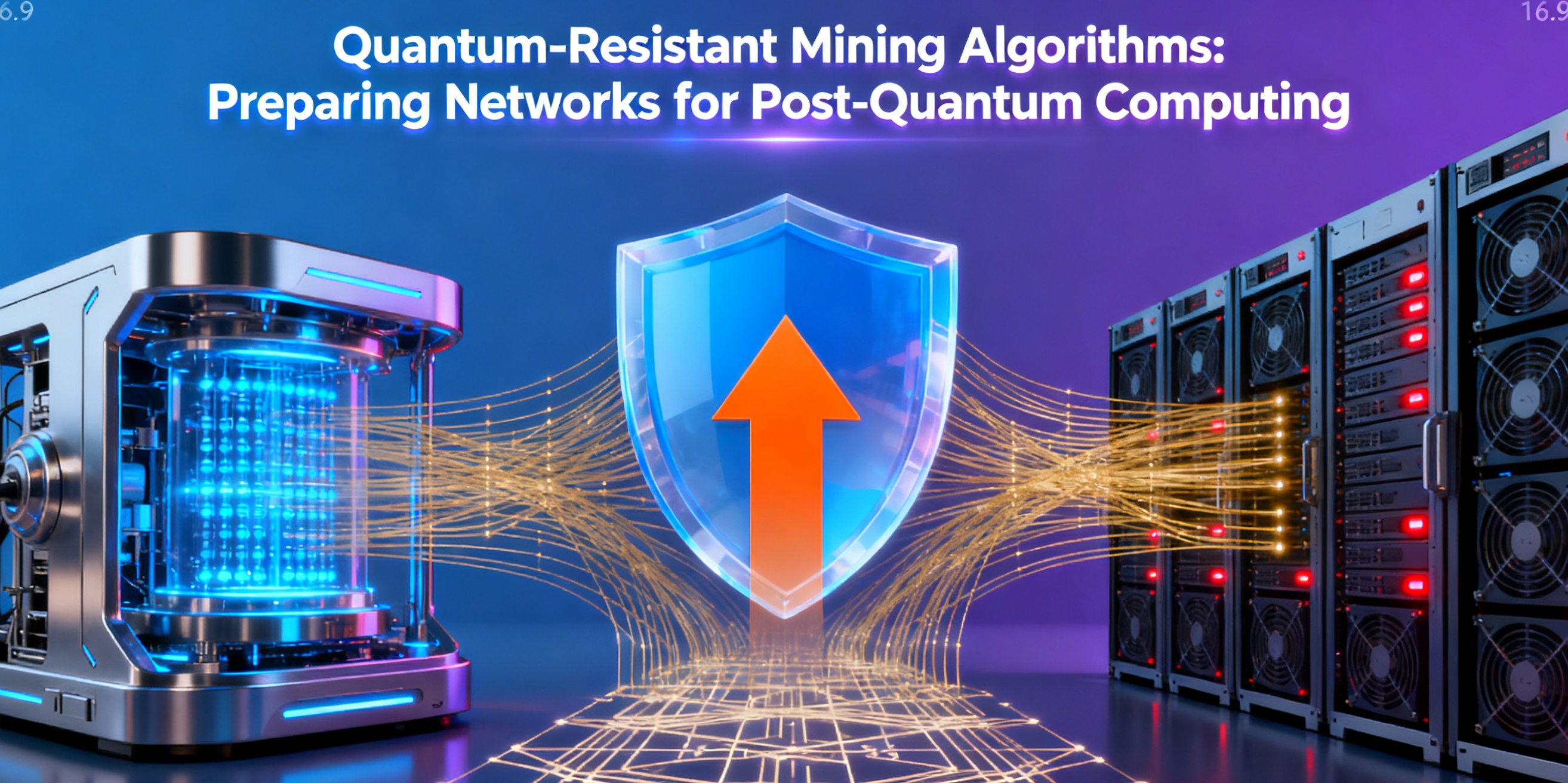
How to Mine Bitcoin at Home: A Beginner's Guide for Your Computer

Many people wonder if they can use their home computer to mine Bitcoin and potentially earn cryptocurrency. While the landscape has changed dramatically since Bitcoin's early days, understanding the process remains valuable. This guide explains how Bitcoin mining works with a computer and what you realistically need to get started today.

Bitcoin mining is the process by which new bitcoins are entered into circulation and transactions are verified on the blockchain network. It involves solving complex cryptographic puzzles using computational power. Miners compete to solve these puzzles, and the first to succeed gets to add a new block to the blockchain and is rewarded with newly minted bitcoins and transaction fees.

In the past, you could mine Bitcoin effectively using a standard Central Processing Unit (CPU) found in any computer. However, as the network grew and competition increased, this became vastly inefficient. The mining difficulty adjusted, requiring more powerful hardware. This led to the era of Graphics Processing Unit (GPU) mining, where gamers' powerful graphics cards were repurposed for higher hash rates. Today, professional Bitcoin mining is dominated by Application-Specific Integrated Circuits (ASICs). These are specialized machines designed solely for mining cryptocurrency, offering unparalleled processing power and energy efficiency compared to general-purpose computers.

So, can you mine Bitcoin with your computer in 2023? The straightforward answer is: it is no longer profitable to mine Bitcoin directly with a standard CPU or GPU. The computational difficulty is so high that the electricity cost of running your computer would far exceed the value of any Bitcoin you might earn. Your standard laptop or desktop is simply not powerful enough to compete with industrial-scale ASIC mining farms.

However, there are alternative ways to participate using your computer. One common method is to join a mining pool. A mining pool is a group of miners who combine their computational resources to increase their chances of solving a block. If the pool is successful, the reward is distributed among all members proportionally to the amount of processing power they contributed. While this allows you to contribute with a standard computer, the earnings will be minuscule after accounting for electricity costs, often just fractions of a cent per day.

Another option is cloud mining. This involves renting mining hardware from a service provider. You pay for a contract that gives you a share of the mining power from a remote data center. This eliminates the need to buy expensive hardware or manage electricity and cooling. However, it requires thorough research to avoid scams and ensure the contract is profitable.

For those determined to mine with their own computer hardware, a more viable path is to consider mining other cryptocurrencies. Many alternative coins (altcoins) are still designed to be mined with GPUs. You can use your computer's graphics card to mine coins like Ethereum Classic, Ravencoin, or Monero, which may still be marginally profitable depending on your hardware and electricity rates. You can then exchange these altcoins for Bitcoin on a cryptocurrency exchange if your goal is to acquire Bitcoin.

Before you start, crucial considerations include calculating profitability. Use an online mining calculator to input your hardware's hash rate, power consumption, and local electricity cost. This will show your potential earnings or losses. Also, ensure you have a secure cryptocurrency wallet to store any coins you earn. Finally, be aware of the noise, heat generation, and wear-and-tear on your computer components, especially the GPU.

In conclusion, while mining Bitcoin directly with a standard home computer is not a profitable endeavor, the educational journey is worthwhile. By understanding the process, you can explore alternative participation methods like mining pools, cloud mining contracts, or GPU mining for other cryptocurrencies. Always prioritize research, calculate costs meticulously, and start small to navigate the dynamic world of cryptocurrency mining responsibly.

Comment

MTMining

Decentralized USDC Auto-Yield Platform
No KYC
Proof-of-Stake
Blockchain Verified
Non-Custodial

How to Mine Bitcoin at Home: A Beginner's Guide for Your Computer

How to Mine Bitcoin at Home: A Beginner's Guide for Your Computer

Many people wonder if they can use their home computer to mine Bitcoin and potentially earn cryptocurrency. While the landscape has changed dramatically since Bitcoin's early days, understanding the process remains valuable. This guide explains how Bitcoin mining works with a computer and what you realistically need to get started today.

Bitcoin mining is the process by which new bitcoins are entered into circulation and transactions are verified on the blockchain network. It involves solving complex cryptographic puzzles using computational power. Miners compete to solve these puzzles, and the first to succeed gets to add a new block to the blockchain and is rewarded with newly minted bitcoins and transaction fees.

In the past, you could mine Bitcoin effectively using a standard Central Processing Unit (CPU) found in any computer. However, as the network grew and competition increased, this became vastly inefficient. The mining difficulty adjusted, requiring more powerful hardware. This led to the era of Graphics Processing Unit (GPU) mining, where gamers' powerful graphics cards were repurposed for higher hash rates. Today, professional Bitcoin mining is dominated by Application-Specific Integrated Circuits (ASICs). These are specialized machines designed solely for mining cryptocurrency, offering unparalleled processing power and energy efficiency compared to general-purpose computers.

So, can you mine Bitcoin with your computer in 2023? The straightforward answer is: it is no longer profitable to mine Bitcoin directly with a standard CPU or GPU. The computational difficulty is so high that the electricity cost of running your computer would far exceed the value of any Bitcoin you might earn. Your standard laptop or desktop is simply not powerful enough to compete with industrial-scale ASIC mining farms.

However, there are alternative ways to participate using your computer. One common method is to join a mining pool. A mining pool is a group of miners who combine their computational resources to increase their chances of solving a block. If the pool is successful, the reward is distributed among all members proportionally to the amount of processing power they contributed. While this allows you to contribute with a standard computer, the earnings will be minuscule after accounting for electricity costs, often just fractions of a cent per day.

Another option is cloud mining. This involves renting mining hardware from a service provider. You pay for a contract that gives you a share of the mining power from a remote data center. This eliminates the need to buy expensive hardware or manage electricity and cooling. However, it requires thorough research to avoid scams and ensure the contract is profitable.

For those determined to mine with their own computer hardware, a more viable path is to consider mining other cryptocurrencies. Many alternative coins (altcoins) are still designed to be mined with GPUs. You can use your computer's graphics card to mine coins like Ethereum Classic, Ravencoin, or Monero, which may still be marginally profitable depending on your hardware and electricity rates. You can then exchange these altcoins for Bitcoin on a cryptocurrency exchange if your goal is to acquire Bitcoin.

Before you start, crucial considerations include calculating profitability. Use an online mining calculator to input your hardware's hash rate, power consumption, and local electricity cost. This will show your potential earnings or losses. Also, ensure you have a secure cryptocurrency wallet to store any coins you earn. Finally, be aware of the noise, heat generation, and wear-and-tear on your computer components, especially the GPU.

In conclusion, while mining Bitcoin directly with a standard home computer is not a profitable endeavor, the educational journey is worthwhile. By understanding the process, you can explore alternative participation methods like mining pools, cloud mining contracts, or GPU mining for other cryptocurrencies. Always prioritize research, calculate costs meticulously, and start small to navigate the dynamic world of cryptocurrency mining responsibly.

Comment