

Daily Auto-Yield 2.7%

Auto-compounded. No lock, no transfer required. Your funds stay in your wallet with complete control.

No KYC No KYC Proof-of-Stake Proof-of-Stake Blockchain Verified Blockchain Verified Non-Custodial Non-Custodial Auto-Compounding Auto-Compounding



How to Mine Bitcoin Transactions: A Beginner's Guide to Earning Crypto
How to Mine Bitcoin Transactions: A Beginner's Guide to Earning Crypto

Bitcoin mining is often shrouded in mystery, but at its core, it's the process that secures the network and verifies transactions. When people ask, "How can individuals mine Bitcoin transactions?" they are really asking about participating in this global, decentralized system. This guide breaks down the essentials for anyone looking to start.

First, it's crucial to understand what "mining transactions" truly means. Miners don't mine individual transactions in isolation. Instead, they compete to compile a new block of pending transactions from the Bitcoin memory pool. Using specialized hardware, they perform quintillions of calculations per second to find a valid cryptographic hash for that block. The first miner to succeed gets to add the block to the blockchain and is rewarded with newly minted bitcoins (the block reward) plus the transaction fees from all transactions included in that block. So, by mining a block, you are, in effect, mining and confirming all the transactions within it.

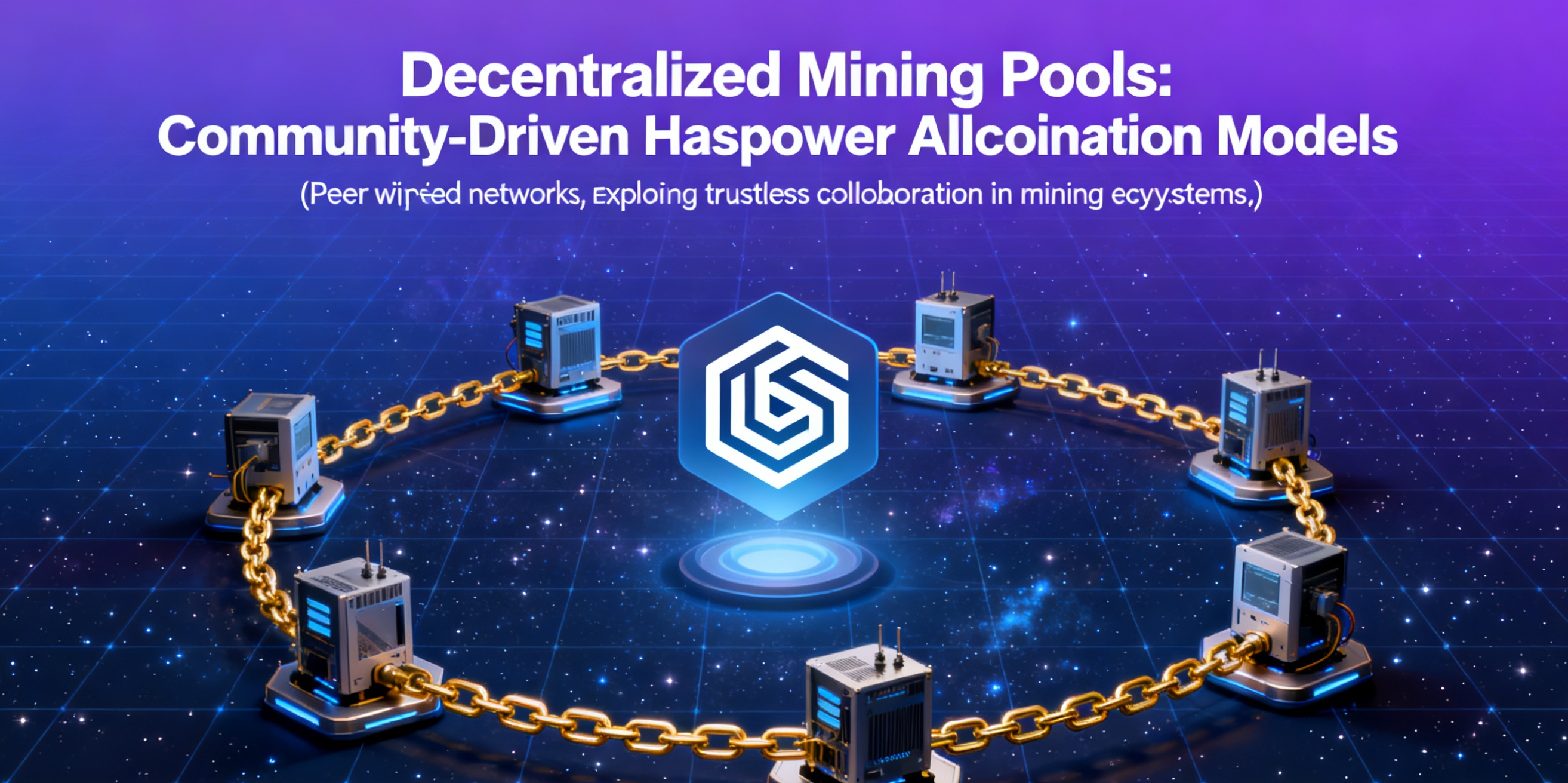
For an individual starting today, the path to mining involves several key steps. The era of mining with a regular computer CPU or even a powerful GPU is long over for Bitcoin. Now, you need Application-Specific Integrated Circuits (ASICs). These are machines designed solely for Bitcoin mining, offering the immense computational power (hash rate) required to be competitive. After acquiring hardware, you must choose mining software to connect your ASIC to the Bitcoin network and join a mining pool. Solo mining, where you go it alone, is statistically unlikely to ever yield a reward due to the enormous collective hash rate of the network. Pools combine the power of many miners to solve blocks more consistently, sharing the rewards proportionally among participants.

Beyond hardware and software, operational considerations are paramount. Bitcoin ASICs are incredibly power-hungry and generate significant heat and noise. Access to cheap, reliable electricity is the single biggest factor in determining profitability. You'll also need a plan for cooling and housing the equipment, which often sounds like a loud vacuum cleaner running 24/7. Before investing, use an online mining calculator. Input your hardware's hash rate, power consumption, local electricity costs, and pool fees to estimate potential earnings. It's a tough business; with Bitcoin's price volatility and periodic adjustments in mining difficulty, profits are never guaranteed.

Importantly, the landscape of Bitcoin mining offers alternatives. One is cloud mining, where you rent hash power from a large company. This eliminates the need to buy and maintain hardware, but it comes with risks, including potential scams and inflexible contracts. Another way individuals can participate is through transaction fee selection. While miners prioritize transactions with higher attached fees to maximize revenue, as a user, you can choose to attach a lower fee if you're willing to wait longer for confirmation. Understanding this dynamic is part of engaging with the Bitcoin ecosystem.

In conclusion, while the romantic idea of mining Bitcoin from a home computer is a thing of the past, determined individuals can still enter the arena. It requires treating it as a serious financial and technical undertaking. Success hinges on research: calculating costs, securing efficient ASIC hardware, joining a reputable pool, and managing operational logistics. For those undeterred by the challenges, Bitcoin mining remains a fascinating way to contribute to the network's security while potentially earning cryptocurrency. The journey begins not with a pickaxe, but with a calculator and a detailed business plan.

Comment

MTMining

Decentralized USDC Auto-Yield Platform
No KYC
Proof-of-Stake
Blockchain Verified
Non-Custodial

How to Mine Bitcoin Transactions: A Beginner's Guide to Earning Crypto

How to Mine Bitcoin Transactions: A Beginner's Guide to Earning Crypto

Bitcoin mining is often shrouded in mystery, but at its core, it's the process that secures the network and verifies transactions. When people ask, "How can individuals mine Bitcoin transactions?" they are really asking about participating in this global, decentralized system. This guide breaks down the essentials for anyone looking to start.

First, it's crucial to understand what "mining transactions" truly means. Miners don't mine individual transactions in isolation. Instead, they compete to compile a new block of pending transactions from the Bitcoin memory pool. Using specialized hardware, they perform quintillions of calculations per second to find a valid cryptographic hash for that block. The first miner to succeed gets to add the block to the blockchain and is rewarded with newly minted bitcoins (the block reward) plus the transaction fees from all transactions included in that block. So, by mining a block, you are, in effect, mining and confirming all the transactions within it.

For an individual starting today, the path to mining involves several key steps. The era of mining with a regular computer CPU or even a powerful GPU is long over for Bitcoin. Now, you need Application-Specific Integrated Circuits (ASICs). These are machines designed solely for Bitcoin mining, offering the immense computational power (hash rate) required to be competitive. After acquiring hardware, you must choose mining software to connect your ASIC to the Bitcoin network and join a mining pool. Solo mining, where you go it alone, is statistically unlikely to ever yield a reward due to the enormous collective hash rate of the network. Pools combine the power of many miners to solve blocks more consistently, sharing the rewards proportionally among participants.

Beyond hardware and software, operational considerations are paramount. Bitcoin ASICs are incredibly power-hungry and generate significant heat and noise. Access to cheap, reliable electricity is the single biggest factor in determining profitability. You'll also need a plan for cooling and housing the equipment, which often sounds like a loud vacuum cleaner running 24/7. Before investing, use an online mining calculator. Input your hardware's hash rate, power consumption, local electricity costs, and pool fees to estimate potential earnings. It's a tough business; with Bitcoin's price volatility and periodic adjustments in mining difficulty, profits are never guaranteed.

Importantly, the landscape of Bitcoin mining offers alternatives. One is cloud mining, where you rent hash power from a large company. This eliminates the need to buy and maintain hardware, but it comes with risks, including potential scams and inflexible contracts. Another way individuals can participate is through transaction fee selection. While miners prioritize transactions with higher attached fees to maximize revenue, as a user, you can choose to attach a lower fee if you're willing to wait longer for confirmation. Understanding this dynamic is part of engaging with the Bitcoin ecosystem.

In conclusion, while the romantic idea of mining Bitcoin from a home computer is a thing of the past, determined individuals can still enter the arena. It requires treating it as a serious financial and technical undertaking. Success hinges on research: calculating costs, securing efficient ASIC hardware, joining a reputable pool, and managing operational logistics. For those undeterred by the challenges, Bitcoin mining remains a fascinating way to contribute to the network's security while potentially earning cryptocurrency. The journey begins not with a pickaxe, but with a calculator and a detailed business plan.

Comment