 No KYC
 Proof-of-Stake
 Blockchain Verified
 Non-Custodial
 Auto-Compounding
How Does Bitcoin Mining Work? A Simple Guide to Mining Machines
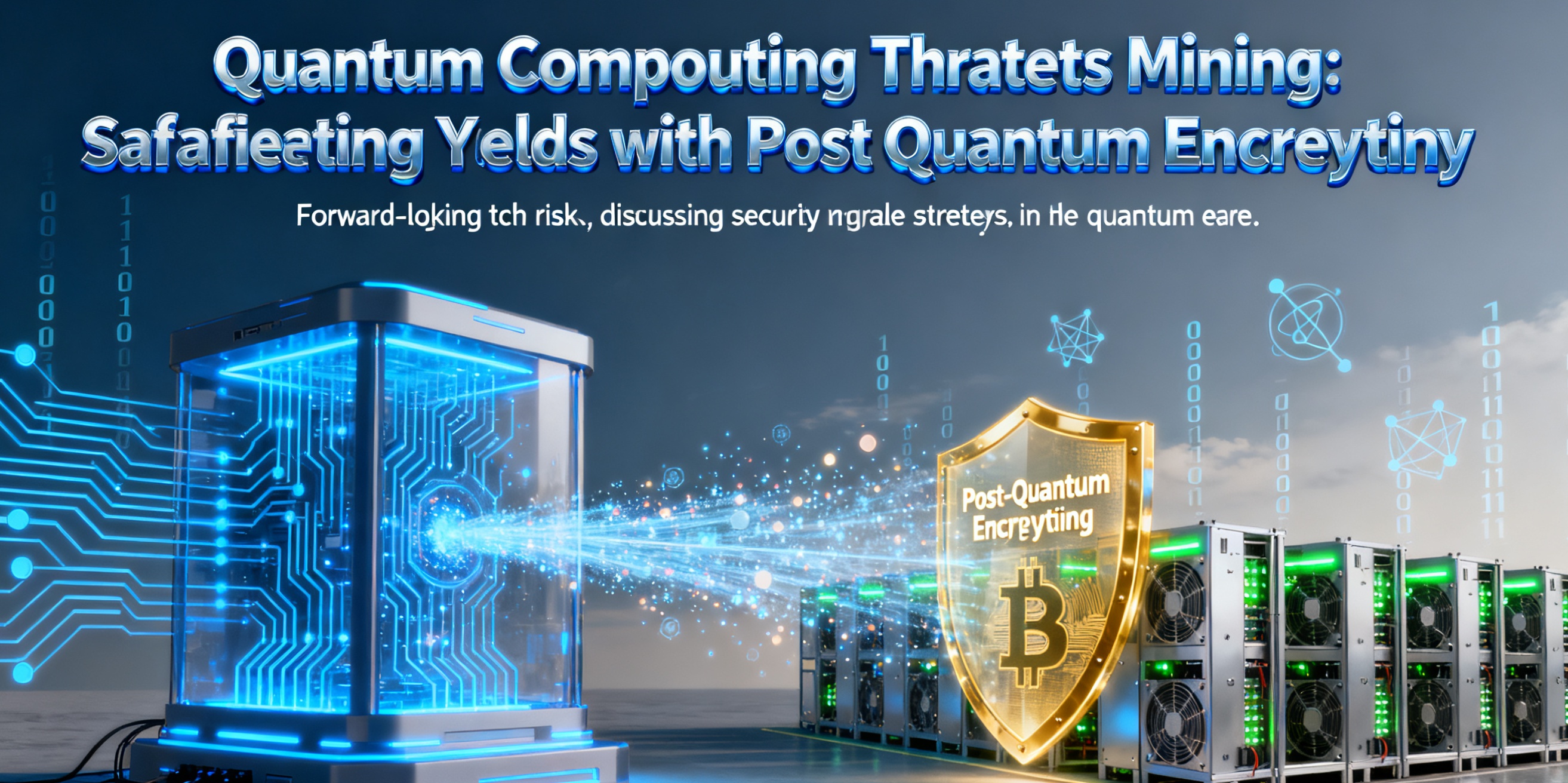
Bitcoin mining is the backbone of the entire Bitcoin network, but how does a physical machine actually perform this task? At its core, mining is a computational process that secures the network, verifies transactions, and creates new bitcoins. The specialized computers that do this work are called Bitcoin miners, or mining rigs.
Imagine the Bitcoin network as a global, public ledger recording every transaction. This ledger, the blockchain, is organized into "blocks." Miners compete to collect a set of new, unconfirmed transactions into a candidate block. Their primary job is to solve an extremely complex cryptographic puzzle associated with that block. This puzzle involves finding a specific number (called a nonce) that, when combined with the block's data and run through a hash function (SHA-256), produces a result that meets a certain, very strict condition set by the network.
This process is called proof-of-work. It is essentially a massive guessing game where miners make trillions of attempts per second. The difficulty of the puzzle automatically adjusts to ensure that a new block is found approximately every ten minutes, regardless of how much total computing power is on the network. The first miner whose machine finds the valid solution broadcasts it to the rest of the network. Other nodes then easily verify the solution, and if correct, the new block is added to the blockchain.
For this immense effort, the successful miner receives a block reward. This reward consists of newly minted bitcoins (the "coinbase" reward) plus all the transaction fees from the transactions included in the block. This is the financial incentive that powers the entire mining ecosystem.
So, what is inside a Bitcoin mining machine? Early miners used standard CPUs, but the race for efficiency and speed led to a rapid evolution. Today, they are highly specialized hardware. The most common and powerful type is the ASIC miner, which stands for Application-Specific Integrated Circuit. Unlike a general-purpose computer chip, an ASIC is designed and built to do only one thing: compute SHA-256 hashes as fast as possible while using the least amount of electricity. Speed is measured in hash rate (e.g., terahashes per second - TH/s), and energy efficiency is measured in joules per terahash.
A modern ASIC miner is a box containing a control board, cooling fans, and, most importantly, multiple ASIC chips. These chips run incredibly hot, making robust cooling systems vital. When you plug in a mining machine and connect it to the internet, it doesn't work alone. It typically connects to a "mining pool," which is a collective of miners who combine their computational power to increase their chances of finding a block. Rewards are then shared among pool participants proportionally to the amount of hash power they contributed.
In summary, a Bitcoin mining machine mines by dedicating its entire existence to performing quintillions of hash calculations every second. It races against other machines worldwide to be the first to solve the cryptographic puzzle that validates a block of transactions. By doing so, it provides security and stability to the Bitcoin network and earns bitcoin rewards in return. The process is computationally intensive and energy-consuming, which is why the industry continues to drive toward more powerful and energy-efficient ASIC hardware.
Comment