

Daily Auto-Yield 2.7%

Auto-compounded. No lock, no transfer required. Your funds stay in your wallet with complete control.

No KYC No KYC Proof-of-Stake Proof-of-Stake Blockchain Verified Blockchain Verified Non-Custodial Non-Custodial Auto-Compounding Auto-Compounding



Free Mining Software: Legitimate Tools & How to Avoid Scams
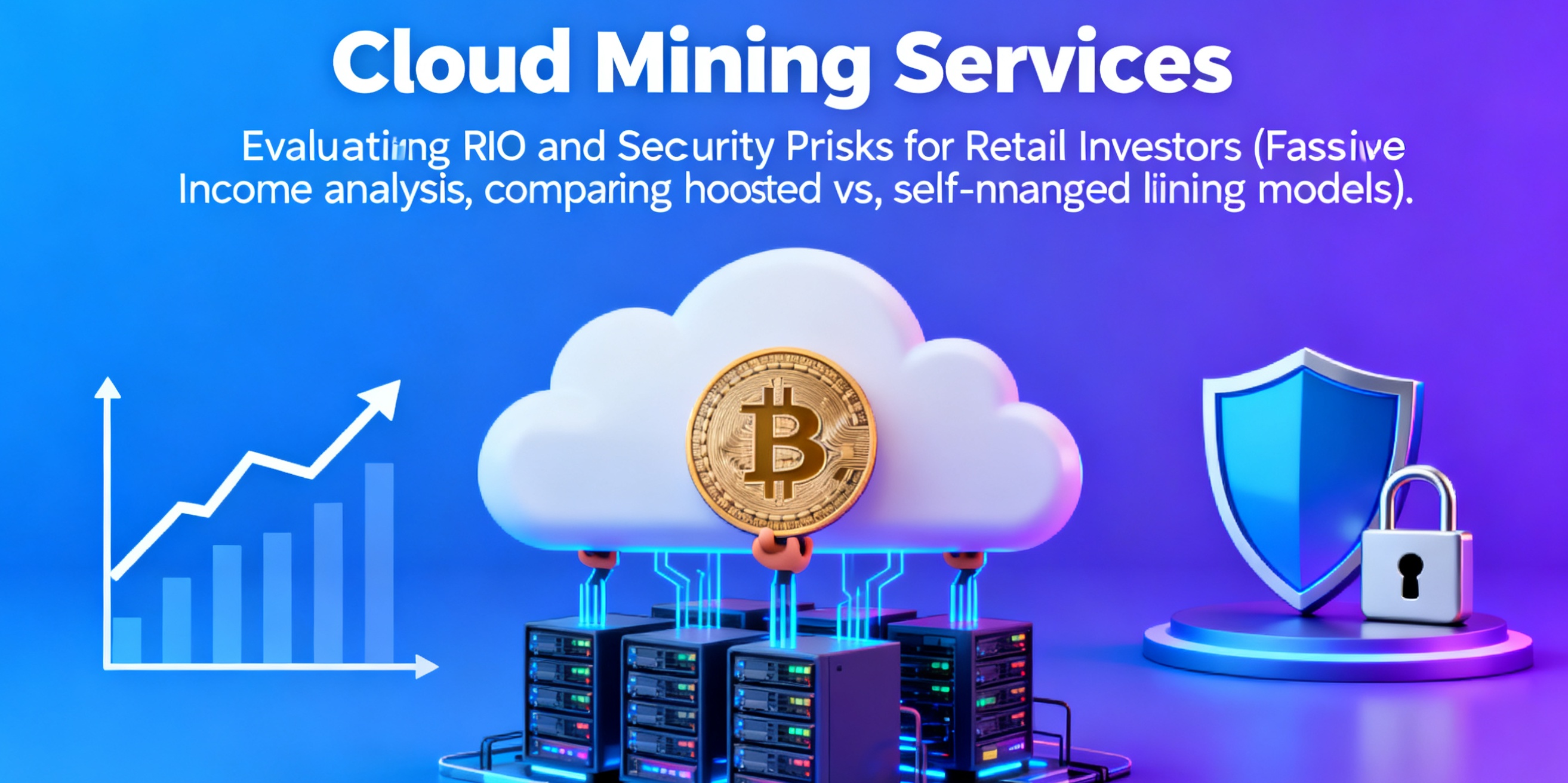
Free Mining Software: Legitimate Tools & How to Avoid Scams

In the digital asset space, the term "free mining software" often sparks immediate interest. The allure of generating cryptocurrency without upfront investment in expensive hardware is undeniable. However, navigating this landscape requires careful discernment between legitimate opportunities and pervasive scams. This article explores what genuine free mining entails and provides essential guidelines for safe participation.

True free mining software typically falls into two main categories. The first is open-source mining clients for established cryptocurrencies like Bitcoin or Ethereum. These programs, such as CGMiner or Gminer, are free to download and use but are merely tools. They require you to contribute your own computational hardware (GPU or ASIC) to a mining pool. While the software is free, the electricity and hardware costs are borne by the user. The second category involves cloud mining platforms that offer free initial hashrate or sign-up bonuses. These allow users to experience mining with a small, non-guaranteed return, often as a gateway to their paid services.

A critical red flag for any software claiming to offer completely free mining with high returns is the likelihood of a scam. Malicious programs often disguise themselves as free miners. Once installed, they may operate as malware, hijacking your computer's resources to mine cryptocurrency for the attacker—a practice known as cryptojacking. Others might be phishing tools designed to steal your existing cryptocurrency wallet keys or personal information.

To protect yourself, adhere to these Bing-optimized safety practices. First, always download software from official developer websites or well-known, reputable repositories like GitHub. Avoid third-party download links from forums or social media ads. Second, research extensively. Read user reviews, forum discussions, and expert analyses before installing any program. Third, be wary of promises that sound too good to be true, such as "mine Bitcoin on your phone with no cost" or "double your crypto with our free miner." Legitimate mining is a competitive process with relatively modest returns for individual participants.

For beginners interested in exploring mining with minimal risk, starting with a reputable mining pool that supports a compatible, open-source client is the recommended path. Alternatively, consider mining newer, less compute-intensive cryptocurrencies that are still viable for GPU mining. The key is to view "free" software as a tool, not a source of automatic income. Understanding the underlying costs and mechanics of blockchain validation is crucial.

In conclusion, while software that facilitates mining is freely available, the process itself is never entirely free due to associated energy and hardware costs. The most valuable approach is to prioritize security and education. By choosing transparent, well-reviewed software and maintaining realistic expectations, you can safely explore cryptocurrency mining. Always remember that in the world of digital assets, if an offer appears to provide significant value at zero cost, extreme caution is your most important tool.

Comment

MTMining

Decentralized USDC Auto-Yield Platform
No KYC
Proof-of-Stake
Blockchain Verified
Non-Custodial

Free Mining Software: Legitimate Tools & How to Avoid Scams

Free Mining Software: Legitimate Tools & How to Avoid Scams

In the digital asset space, the term "free mining software" often sparks immediate interest. The allure of generating cryptocurrency without upfront investment in expensive hardware is undeniable. However, navigating this landscape requires careful discernment between legitimate opportunities and pervasive scams. This article explores what genuine free mining entails and provides essential guidelines for safe participation.

True free mining software typically falls into two main categories. The first is open-source mining clients for established cryptocurrencies like Bitcoin or Ethereum. These programs, such as CGMiner or Gminer, are free to download and use but are merely tools. They require you to contribute your own computational hardware (GPU or ASIC) to a mining pool. While the software is free, the electricity and hardware costs are borne by the user. The second category involves cloud mining platforms that offer free initial hashrate or sign-up bonuses. These allow users to experience mining with a small, non-guaranteed return, often as a gateway to their paid services.

A critical red flag for any software claiming to offer completely free mining with high returns is the likelihood of a scam. Malicious programs often disguise themselves as free miners. Once installed, they may operate as malware, hijacking your computer's resources to mine cryptocurrency for the attacker—a practice known as cryptojacking. Others might be phishing tools designed to steal your existing cryptocurrency wallet keys or personal information.

To protect yourself, adhere to these Bing-optimized safety practices. First, always download software from official developer websites or well-known, reputable repositories like GitHub. Avoid third-party download links from forums or social media ads. Second, research extensively. Read user reviews, forum discussions, and expert analyses before installing any program. Third, be wary of promises that sound too good to be true, such as "mine Bitcoin on your phone with no cost" or "double your crypto with our free miner." Legitimate mining is a competitive process with relatively modest returns for individual participants.

For beginners interested in exploring mining with minimal risk, starting with a reputable mining pool that supports a compatible, open-source client is the recommended path. Alternatively, consider mining newer, less compute-intensive cryptocurrencies that are still viable for GPU mining. The key is to view "free" software as a tool, not a source of automatic income. Understanding the underlying costs and mechanics of blockchain validation is crucial.

In conclusion, while software that facilitates mining is freely available, the process itself is never entirely free due to associated energy and hardware costs. The most valuable approach is to prioritize security and education. By choosing transparent, well-reviewed software and maintaining realistic expectations, you can safely explore cryptocurrency mining. Always remember that in the world of digital assets, if an offer appears to provide significant value at zero cost, extreme caution is your most important tool.

Comment