

Daily Auto-Yield 2.7%

Auto-compounded. No lock, no transfer required. Your funds stay in your wallet with complete control.

No KYC No KYC Proof-of-Stake Proof-of-Stake Blockchain Verified Blockchain Verified Non-Custodial Non-Custodial Auto-Compounding Auto-Compounding



How to Mine Bitcoin: A Beginner's Step-by-Step Guide 2024
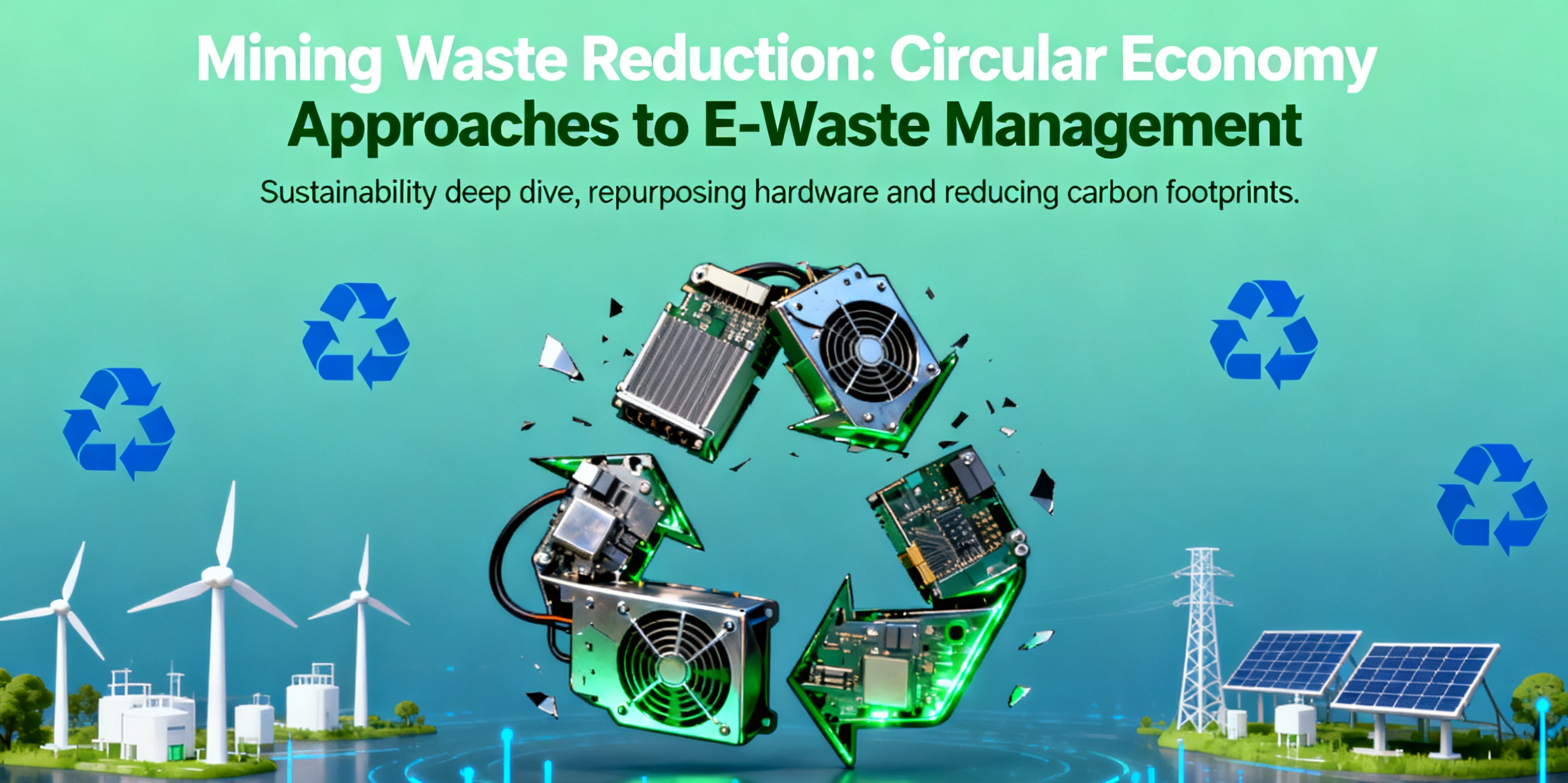
How to Mine Bitcoin: A Beginner's Step-by-Step Guide 2024

Bitcoin mining is the foundational process that secures the Bitcoin network and introduces new coins into circulation. For many, it represents a fascinating way to obtain Bitcoin directly, rather than purchasing it on an exchange. This guide will walk you through the essentials of how to obtain Bitcoin through mining in the current landscape.

At its core, Bitcoin mining involves using specialized computer hardware to solve complex mathematical puzzles. These puzzles are part of the network's "proof-of-work" consensus mechanism. Miners compete to be the first to find a valid solution for the next block of transactions. The successful miner who verifies and adds a new block to the blockchain is rewarded with newly minted Bitcoin (the block reward) and the transaction fees from the transactions within that block. This is the primary method through which new Bitcoin is created and distributed.

To start mining Bitcoin today, you will need specific equipment and software. The era of mining with a regular computer CPU or GPU is long over for Bitcoin. Now, Application-Specific Integrated Circuits (ASICs) are essential. These are powerful machines designed solely for the purpose of mining cryptocurrencies like Bitcoin. Before investing in an ASIC miner, research factors like hash rate (computational power), energy consumption (measured in watts), efficiency, and upfront cost. Popular manufacturers include Bitmain, MicroBT, and Canaan.

Choosing your mining approach is a critical decision. Solo mining, where you attempt to find a block alone, is incredibly difficult and unlikely to yield rewards for individual miners due to the immense collective competition. The most practical route for newcomers is to join a Bitcoin mining pool. A pool combines the hash power of all its participants, increasing the chance of solving a block. Rewards are then distributed among pool members based on the amount of computational power they contributed. This provides a more steady and predictable stream of Bitcoin income.

You will also need mining software to connect your hardware to the blockchain network and your chosen mining pool. The software relays information and solved puzzles between your miner and the network. Options like CGMiner, BFGMiner, and NiceHash are widely used. Additionally, a secure Bitcoin wallet is mandatory to receive and store your mining rewards. Opt for a reputable hardware wallet or a secure software wallet where you control the private keys.

The most significant challenge in Bitcoin mining today is profitability. This is heavily influenced by the price of Bitcoin, the total network hash rate (global competition), your electricity cost, and the efficiency of your hardware. Electricity costs can easily outweigh earnings if not calculated carefully. It is crucial to use an online Bitcoin mining calculator. Input your hardware's hash rate, power consumption, local electricity cost, and pool fees to estimate potential profit or loss before making any investment.

While the dream of mining Bitcoin profitably from home still exists, it has become an industrial-scale operation dominated by large mining farms in regions with cheap electricity. For most individuals, joining a reputable pool with efficient ASIC hardware is the only viable path. The process requires significant upfront investment and ongoing operational costs. However, for those deeply interested in supporting the Bitcoin network and participating directly in its ecosystem, mining remains a compelling, though challenging, method to obtain Bitcoin. Always conduct thorough research and calculate all costs to understand the risks and potential rewards fully.

Comment

MTMining

Decentralized USDC Auto-Yield Platform
No KYC
Proof-of-Stake
Blockchain Verified
Non-Custodial

How to Mine Bitcoin: A Beginner's Step-by-Step Guide 2024

How to Mine Bitcoin: A Beginner's Step-by-Step Guide 2024

Bitcoin mining is the foundational process that secures the Bitcoin network and introduces new coins into circulation. For many, it represents a fascinating way to obtain Bitcoin directly, rather than purchasing it on an exchange. This guide will walk you through the essentials of how to obtain Bitcoin through mining in the current landscape.

At its core, Bitcoin mining involves using specialized computer hardware to solve complex mathematical puzzles. These puzzles are part of the network's "proof-of-work" consensus mechanism. Miners compete to be the first to find a valid solution for the next block of transactions. The successful miner who verifies and adds a new block to the blockchain is rewarded with newly minted Bitcoin (the block reward) and the transaction fees from the transactions within that block. This is the primary method through which new Bitcoin is created and distributed.

To start mining Bitcoin today, you will need specific equipment and software. The era of mining with a regular computer CPU or GPU is long over for Bitcoin. Now, Application-Specific Integrated Circuits (ASICs) are essential. These are powerful machines designed solely for the purpose of mining cryptocurrencies like Bitcoin. Before investing in an ASIC miner, research factors like hash rate (computational power), energy consumption (measured in watts), efficiency, and upfront cost. Popular manufacturers include Bitmain, MicroBT, and Canaan.

Choosing your mining approach is a critical decision. Solo mining, where you attempt to find a block alone, is incredibly difficult and unlikely to yield rewards for individual miners due to the immense collective competition. The most practical route for newcomers is to join a Bitcoin mining pool. A pool combines the hash power of all its participants, increasing the chance of solving a block. Rewards are then distributed among pool members based on the amount of computational power they contributed. This provides a more steady and predictable stream of Bitcoin income.

You will also need mining software to connect your hardware to the blockchain network and your chosen mining pool. The software relays information and solved puzzles between your miner and the network. Options like CGMiner, BFGMiner, and NiceHash are widely used. Additionally, a secure Bitcoin wallet is mandatory to receive and store your mining rewards. Opt for a reputable hardware wallet or a secure software wallet where you control the private keys.

The most significant challenge in Bitcoin mining today is profitability. This is heavily influenced by the price of Bitcoin, the total network hash rate (global competition), your electricity cost, and the efficiency of your hardware. Electricity costs can easily outweigh earnings if not calculated carefully. It is crucial to use an online Bitcoin mining calculator. Input your hardware's hash rate, power consumption, local electricity cost, and pool fees to estimate potential profit or loss before making any investment.

While the dream of mining Bitcoin profitably from home still exists, it has become an industrial-scale operation dominated by large mining farms in regions with cheap electricity. For most individuals, joining a reputable pool with efficient ASIC hardware is the only viable path. The process requires significant upfront investment and ongoing operational costs. However, for those deeply interested in supporting the Bitcoin network and participating directly in its ecosystem, mining remains a compelling, though challenging, method to obtain Bitcoin. Always conduct thorough research and calculate all costs to understand the risks and potential rewards fully.

Comment