 No KYC
 Proof-of-Stake
 Blockchain Verified
 Non-Custodial
 Auto-Compounding
How to Start Bitcoin Mining: A Beginner's Guide 2024
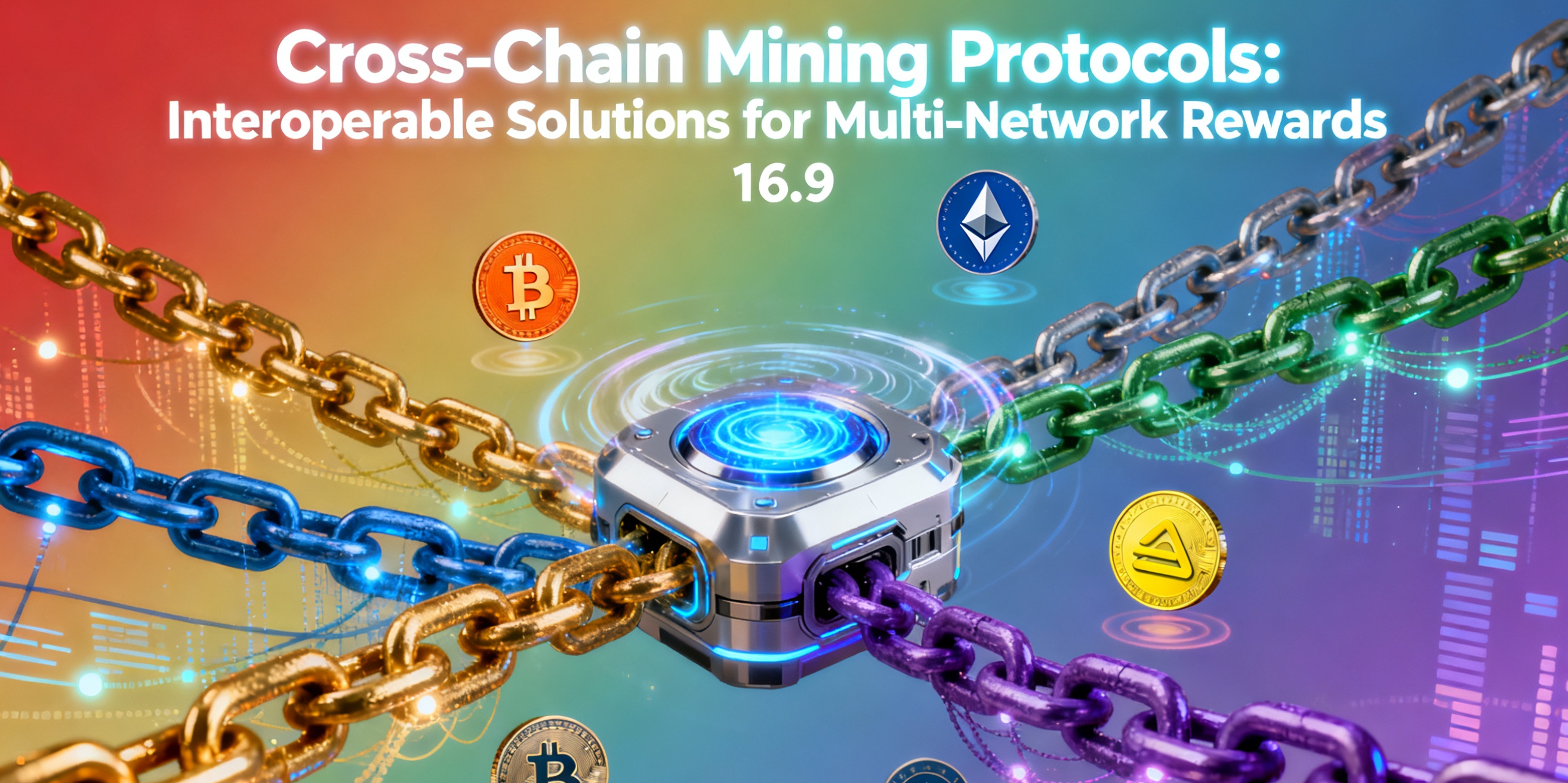
Bitcoin mining is the process that secures the network and creates new bitcoins. For newcomers, understanding how to get started can be the biggest hurdle. This guide breaks down the essential steps, hardware requirements, and key considerations for anyone looking to enter the world of Bitcoin mining.
The first step is understanding what mining entails. Miners use specialized computers to solve complex mathematical puzzles. Successfully solving a puzzle validates a block of transactions and rewards the miner with newly minted bitcoin and transaction fees. This process requires significant computational power and electricity.
Before you begin, acquiring the right hardware is critical. The era of mining with a regular PC is long over. Today, you need Application-Specific Integrated Circuits (ASICs). These are powerful machines designed solely for mining cryptocurrencies like Bitcoin. Popular and efficient models come from manufacturers such as Bitmain, MicroBT, and Canaan. Research hash rate (computing power) and energy efficiency (joules per terahash) to choose the best miner for your budget and electricity costs.
Next, you'll need mining software. This software connects your hardware to the Bitcoin blockchain and your chosen mining pool. Options like CGMiner, BFGMiner, and NiceHash provide interfaces to control your device and monitor its performance. The software is often free and relatively straightforward to configure.
Joining a mining pool is highly recommended for individual miners. A pool is a group of miners who combine their computational power to increase the chance of solving a block. Rewards are then shared among participants based on the amount of work contributed. Solo mining is possible but finding blocks alone is extremely unlikely without vast resources. Popular pools include Foundry USA, Antpool, and F2Pool.
A secure Bitcoin wallet is absolutely essential. This is where you will store the bitcoin you earn. You must control the private keys to your wallet. Options range from hardware wallets (like Ledger or Trezor) for maximum security to mobile or desktop wallets for convenience. Never store mining proceeds on an exchange long-term.
The most crucial calculation involves your electricity cost. Mining consumes a substantial amount of power. You must know your cost per kilowatt-hour (kWh). If your electricity cost is too high, mining may be unprofitable. Use online profitability calculators to input your hardware's specs and electricity rate to estimate potential earnings or losses.
Finally, consider the setup environment. ASIC miners are loud and generate considerable heat. You need a cool, well-ventilated space with stable internet connectivity, such as a basement or a dedicated shed. Proper cooling and sound insulation are important factors for home miners.
In conclusion, getting started with Bitcoin mining requires careful research and investment. You need specialized ASIC hardware, mining software, a reliable pool, a secure wallet, and most importantly, access to affordable electricity. While mining can be competitive, it remains a fascinating way to participate directly in the Bitcoin ecosystem. Always perform detailed calculations to assess profitability before making any significant investment.
Comment