

Daily Auto-Yield 2.7%

Auto-compounded. No lock, no transfer required. Your funds stay in your wallet with complete control.

No KYC No KYC Proof-of-Stake Proof-of-Stake Blockchain Verified Blockchain Verified Non-Custodial Non-Custodial Auto-Compounding Auto-Compounding



How to Mine Bitcoin and Litecoin in 2024: A Beginner's Guide
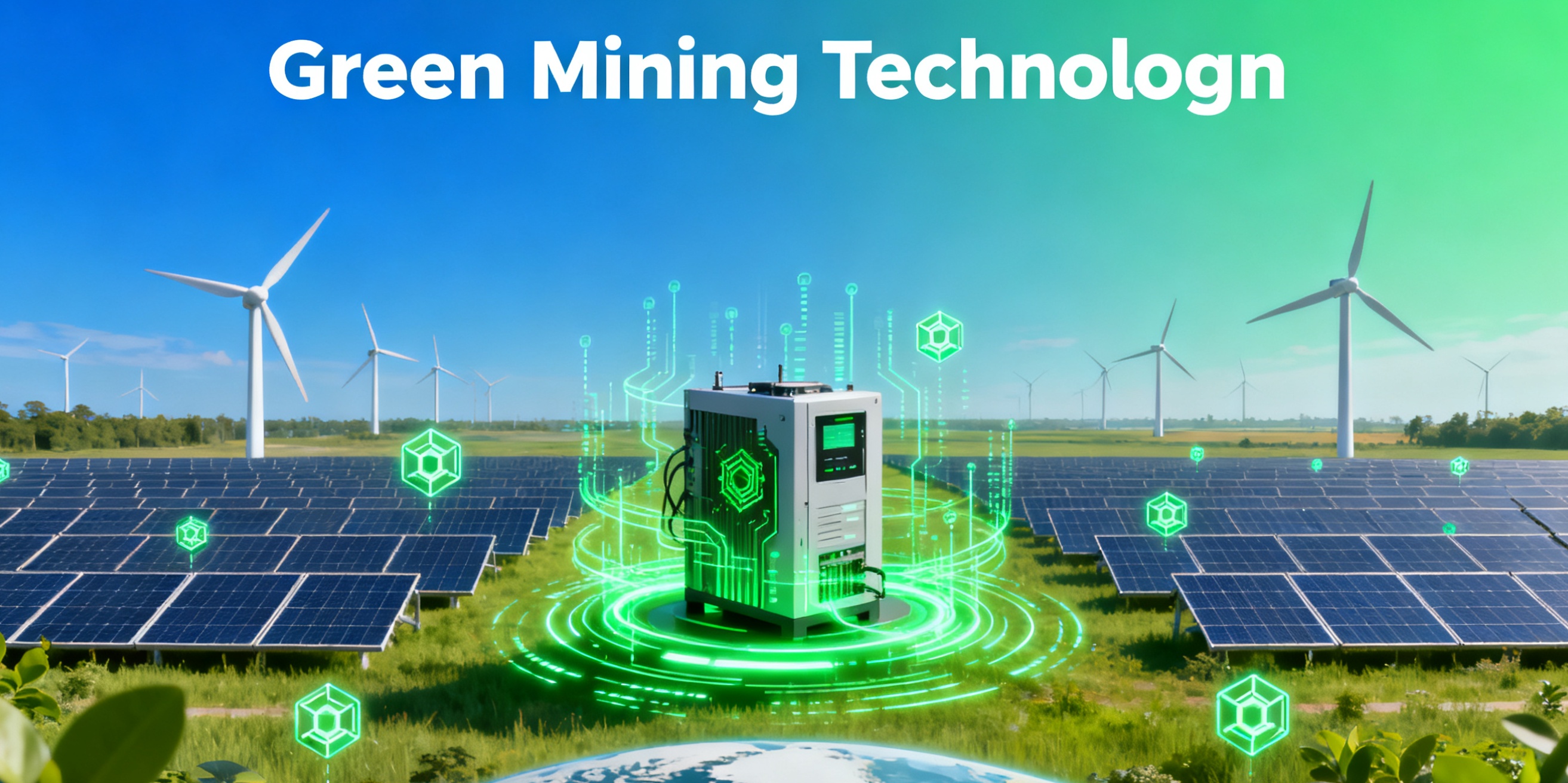
How to Mine Bitcoin and Litecoin in 2024: A Beginner's Guide

Cryptocurrency mining remains a fascinating cornerstone of the digital asset world. For those curious about how to mine Bitcoin and Litecoin, understanding the process, requirements, and current landscape is crucial. This guide breaks down the essentials for newcomers.

At its core, mining is the process of validating transactions and securing the network. Miners use powerful computers to solve complex mathematical puzzles. The first miner to solve the puzzle gets to add a new block to the blockchain and is rewarded with newly minted cryptocurrency and transaction fees. This process verifies transactions and introduces new coins into circulation.

Bitcoin mining is the most competitive and resource-intensive. It uses the SHA-256 hashing algorithm. Today, mining Bitcoin profitably requires specialized hardware called ASICs (Application-Specific Integrated Circuits). These machines are expensive and consume massive amounts of electricity. Joining a mining pool, where miners combine their computational power to share rewards, is now essential for most individuals. Solo mining Bitcoin is virtually impossible without an industrial-scale operation.

Litecoin mining operates on a similar principle but uses a different algorithm called Scrypt. This was initially designed to be more resistant to ASIC mining, favoring consumer-grade hardware like GPUs (Graphics Processing Units). However, Scrypt-specific ASICs have since been developed, increasing the competition. Litecoin mining is generally considered more accessible than Bitcoin mining, but it still requires significant investment in hardware and energy.

The basic steps to start mining are similar for both currencies. First, acquire the appropriate hardware: ASICs for Bitcoin or high-end ASICs/GPUs for Litecoin. Next, choose and install mining software compatible with your hardware and the cryptocurrency. Then, decide whether to mine solo or join a mining pool for more consistent, though shared, rewards. Finally, set up a secure digital wallet to store your earned cryptocurrency.

Before investing, consider critical factors. The cost of hardware and ongoing electricity expenses are the biggest hurdles. Calculate potential profitability using online calculators, factoring in your local electricity rate, hardware efficiency, and the current network difficulty and coin price. Mining also generates significant heat and noise, requiring a cool, well-ventilated space. Crucially, the regulatory environment for cryptocurrency mining varies by country and region.

The landscape of Bitcoin and Litecoin mining has evolved dramatically. It has transformed from a hobbyist activity using home computers to a highly professionalized industry. For most people, the high entry costs and operational complexities mean direct mining is not the easiest path to acquire crypto. Alternatives like cloud mining (renting mining power) exist but are often risky and prone to scams.

Is mining right for you? If you have access to cheap electricity, capital for high-end hardware, and a tolerance for technical complexity and market volatility, it can be an engaging venture. For the average person, buying cryptocurrency directly from an exchange may be a more practical option. Understanding how to mine Bitcoin and Litecoin demystifies the technology behind these digital assets, highlighting the incredible computational effort required to maintain decentralized networks.

Comment

MTMining

Decentralized USDC Auto-Yield Platform
No KYC
Proof-of-Stake
Blockchain Verified
Non-Custodial

How to Mine Bitcoin and Litecoin in 2024: A Beginner's Guide

How to Mine Bitcoin and Litecoin in 2024: A Beginner's Guide

Cryptocurrency mining remains a fascinating cornerstone of the digital asset world. For those curious about how to mine Bitcoin and Litecoin, understanding the process, requirements, and current landscape is crucial. This guide breaks down the essentials for newcomers.

At its core, mining is the process of validating transactions and securing the network. Miners use powerful computers to solve complex mathematical puzzles. The first miner to solve the puzzle gets to add a new block to the blockchain and is rewarded with newly minted cryptocurrency and transaction fees. This process verifies transactions and introduces new coins into circulation.

Bitcoin mining is the most competitive and resource-intensive. It uses the SHA-256 hashing algorithm. Today, mining Bitcoin profitably requires specialized hardware called ASICs (Application-Specific Integrated Circuits). These machines are expensive and consume massive amounts of electricity. Joining a mining pool, where miners combine their computational power to share rewards, is now essential for most individuals. Solo mining Bitcoin is virtually impossible without an industrial-scale operation.

Litecoin mining operates on a similar principle but uses a different algorithm called Scrypt. This was initially designed to be more resistant to ASIC mining, favoring consumer-grade hardware like GPUs (Graphics Processing Units). However, Scrypt-specific ASICs have since been developed, increasing the competition. Litecoin mining is generally considered more accessible than Bitcoin mining, but it still requires significant investment in hardware and energy.

The basic steps to start mining are similar for both currencies. First, acquire the appropriate hardware: ASICs for Bitcoin or high-end ASICs/GPUs for Litecoin. Next, choose and install mining software compatible with your hardware and the cryptocurrency. Then, decide whether to mine solo or join a mining pool for more consistent, though shared, rewards. Finally, set up a secure digital wallet to store your earned cryptocurrency.

Before investing, consider critical factors. The cost of hardware and ongoing electricity expenses are the biggest hurdles. Calculate potential profitability using online calculators, factoring in your local electricity rate, hardware efficiency, and the current network difficulty and coin price. Mining also generates significant heat and noise, requiring a cool, well-ventilated space. Crucially, the regulatory environment for cryptocurrency mining varies by country and region.

The landscape of Bitcoin and Litecoin mining has evolved dramatically. It has transformed from a hobbyist activity using home computers to a highly professionalized industry. For most people, the high entry costs and operational complexities mean direct mining is not the easiest path to acquire crypto. Alternatives like cloud mining (renting mining power) exist but are often risky and prone to scams.

Is mining right for you? If you have access to cheap electricity, capital for high-end hardware, and a tolerance for technical complexity and market volatility, it can be an engaging venture. For the average person, buying cryptocurrency directly from an exchange may be a more practical option. Understanding how to mine Bitcoin and Litecoin demystifies the technology behind these digital assets, highlighting the incredible computational effort required to maintain decentralized networks.

Comment