 No KYC
 Proof-of-Stake
 Blockchain Verified
 Non-Custodial
 Auto-Compounding
How to Mine Bitcoin in 2024: A Beginner's Step-by-Step Guide
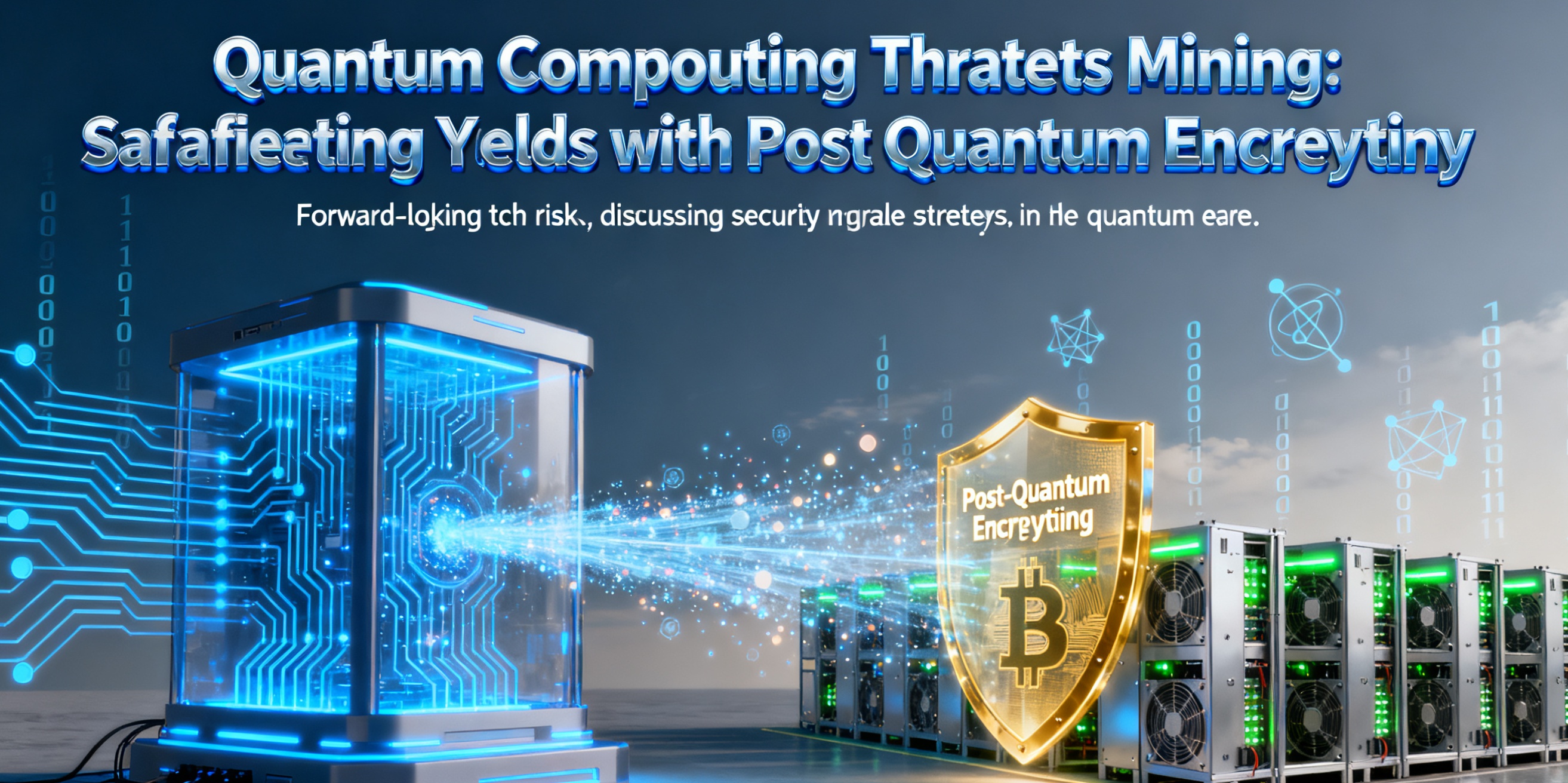
Bitcoin mining is the process that secures the network and creates new coins. For many, it represents a fascinating way to earn cryptocurrency. This guide breaks down how Bitcoin mining works and the steps to get started today.
At its core, mining involves powerful computers solving complex mathematical puzzles. These machines, known as miners, compete to validate bundles of transactions called blocks. The first miner to solve the puzzle adds the block to the Bitcoin blockchain and is rewarded with newly minted Bitcoin and transaction fees. This process verifies all transactions, preventing fraud and double-spending.
Successful mining now requires specialized hardware. The era of using a home PC is long over. Today, Application-Specific Integrated Circuits (ASICs) are the standard. These devices are built solely for mining Bitcoin and offer immense processing power. Before investing, research models considering their hash rate (speed) and energy efficiency, as electricity cost is a critical factor.
You have several paths to begin mining. Solo mining involves going it alone, but the odds of earning a reward are extremely low. Pool mining is the most common method for beginners. Miners combine their computational power in a "pool" to increase the chance of solving a block. Rewards are then shared among participants based on their contributed work. Alternatively, cloud mining allows you to rent mining power from a company, eliminating hardware setup but requiring caution to avoid scams.
Essential software is needed to connect your hardware to the blockchain. Mining software relays your miner's work to the network and pool. Popular options include CGMiner and BFGMiner. You will also need a secure Bitcoin wallet to store your earnings. Choices range from hardware wallets for maximum security to software wallets for convenience.
Calculating profitability is crucial before any investment. Use an online Bitcoin mining calculator. Input your hardware's hash rate, power consumption, local electricity costs, and the pool fee. The calculator will estimate your potential earnings. Given Bitcoin's price volatility and mining difficulty adjustments, profitability is never guaranteed. Mining is now a professional, competitive industry dominated by large-scale operations.
To start, follow these steps. First, acquire suitable ASIC hardware from a reputable vendor. Next, choose a reliable mining pool and create an account. Then, set up your Bitcoin wallet address for payouts. Install and configure your mining software to connect your hardware to the pool. Finally, power up your miner, monitor its performance and temperature, and track your earnings through your pool's dashboard.
Bitcoin mining in 2024 presents significant challenges, including high upfront equipment costs, substantial electricity usage, and intense global competition. However, for those with access to affordable energy and a strategic approach, it remains a potential avenue to acquire Bitcoin directly. Thorough research and realistic expectations about returns are essential for anyone considering entering the mining space.
Comment