 No KYC
 Proof-of-Stake
 Blockchain Verified
 Non-Custodial
 Auto-Compounding
How to Mine Bitcoin: A 2024 Beginner's Step-by-Step Video Guide
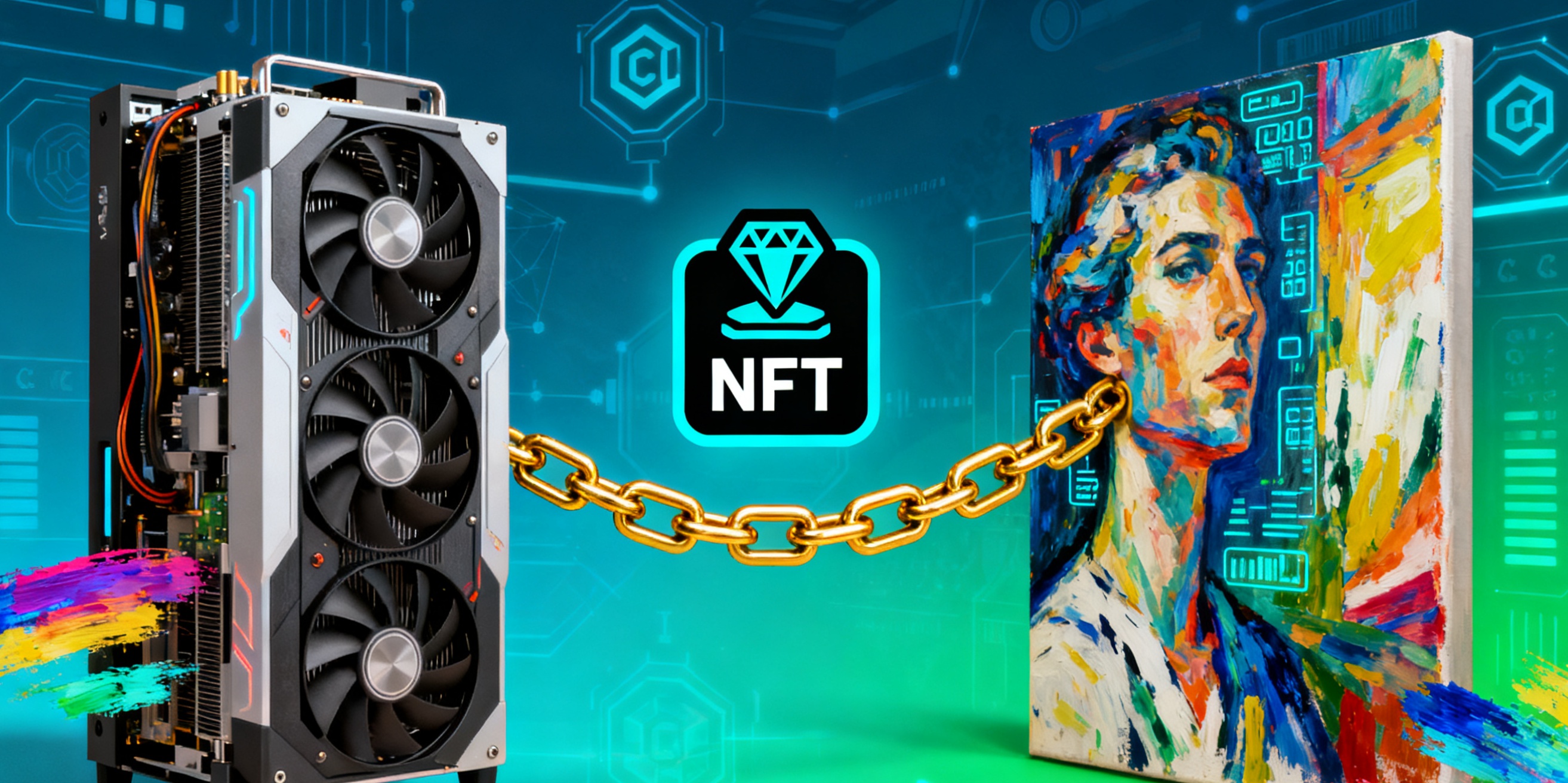
Bitcoin mining is a fascinating process that secures the network and creates new coins. With the right knowledge, getting started is more accessible than you might think. This guide, designed to complement video tutorials, will walk you through the essentials of how to mine Bitcoin today.
The core concept of Bitcoin mining is validation. Miners use powerful computers to solve complex mathematical puzzles. This process verifies and adds new transactions to Bitcoin's public ledger, the blockchain. As a reward for this crucial work, the first miner to solve the puzzle receives newly minted Bitcoin and transaction fees. It's a competitive and resource-intensive endeavor.
Before you start, you must understand the required hardware. In the early days, people mined with regular PCs. Today, it's dominated by specialized equipment. CPUs and GPUs are largely obsolete for Bitcoin. The standard now is ASIC miners. These are machines built solely for mining cryptocurrency. They offer immense processing power but consume significant electricity. Choosing the right ASIC model is your first major step.
Next, you'll need Bitcoin mining software. This software connects your hardware to the blockchain network and your mining pool. It doesn't control the complex calculations but acts as a bridge, delivering work to your miner and submitting results. Popular options include CGMiner, BFGMiner, and NiceHash. Many are free and open-source. A good video guide will show you exactly how to configure this software.
Speaking of pools, joining a mining pool is essential for most beginners. Solo mining, where you compete alone, is incredibly unlikely to yield a reward due to the high global competition. A mining pool combines the hash power of all its members. When the pool finds a block, the reward is distributed among participants based on their contributed work. This provides smaller, but more frequent and predictable, payouts.
A critical, often overlooked step is calculating profitability. You must consider your ASIC's cost, its hash rate, power consumption, and your local electricity price. Online Bitcoin mining calculators are invaluable tools. Input your data to estimate daily or monthly earnings. Remember, mining difficulty increases regularly, and Bitcoin's price is volatile. What is profitable today may not be tomorrow.
Once your hardware is set up and you've chosen a pool and software, the process begins. You'll configure your miner with the pool's address and your worker credentials. The miner will then run continuously, attempting to solve those cryptographic puzzles. You can monitor your hash rate, temperature, and estimated earnings through your pool's dashboard or your software interface.
Finally, prioritize security and safety. Ensure you send your mining rewards to a secure Bitcoin wallet that you control, not an exchange wallet. Use strong, unique passwords for your pool and wallet accounts. Physically, ASIC miners are loud and generate substantial heat. They require a cool, well-ventilated space with a stable, high-capacity electrical connection. Always follow electrical safety guidelines.
While watching a detailed "how to mine Bitcoin" video is highly recommended for visual learners, understanding these foundational steps is crucial. Mining has evolved into a professional, capital-intensive industry, but for those with the right resources and research, it remains an engaging way to participate in the cryptocurrency ecosystem. Start by learning, calculate your costs meticulously, and proceed with caution.
Comment