

Daily Auto-Yield 2.7%

Auto-compounded. No lock, no transfer required. Your funds stay in your wallet with complete control.

No KYC No KYC Proof-of-Stake Proof-of-Stake Blockchain Verified Blockchain Verified Non-Custodial Non-Custodial Auto-Compounding Auto-Compounding



How to Mine Bitcoin at Home: A Beginner's Guide to Using Your Computer
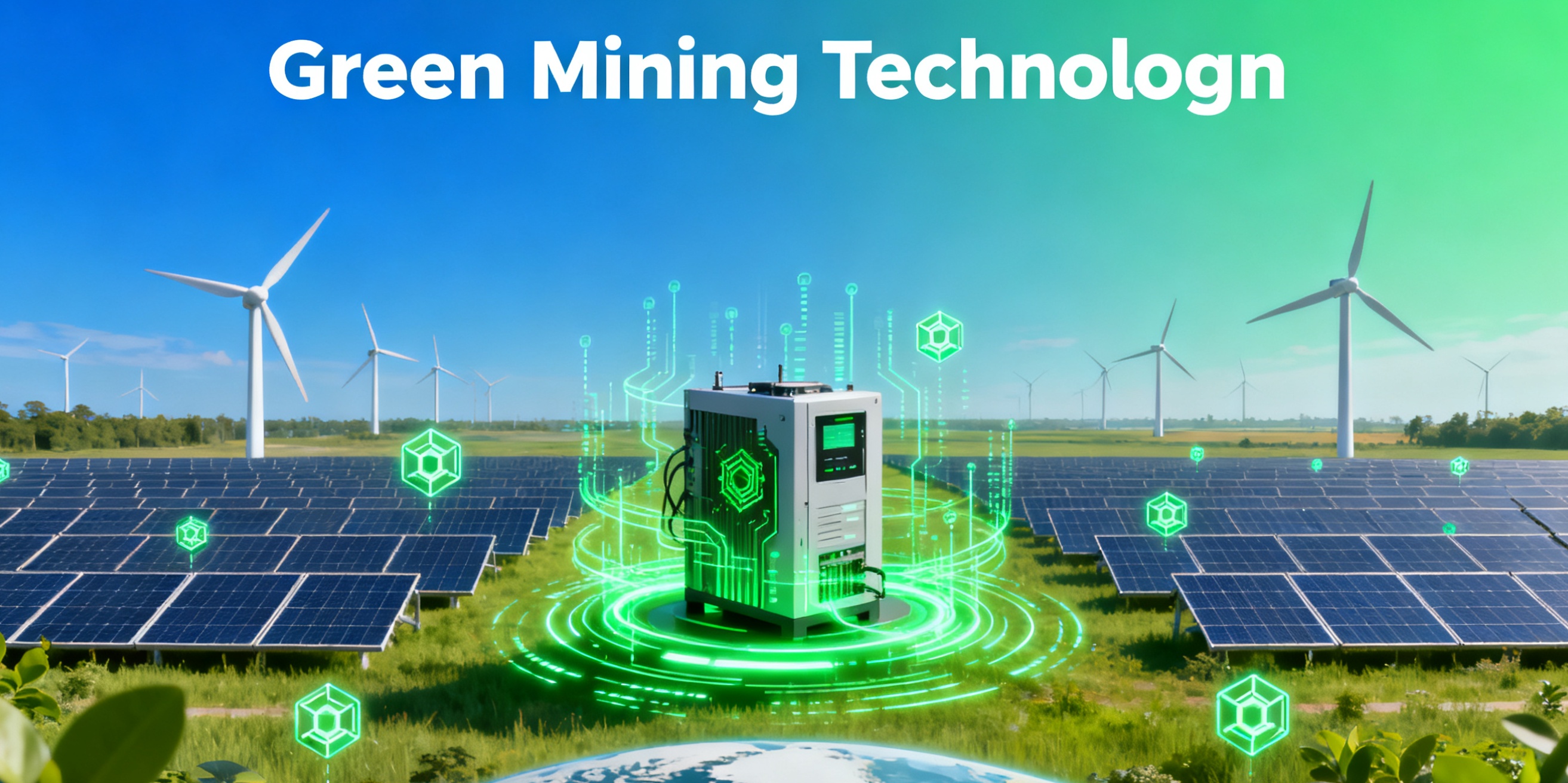
How to Mine Bitcoin at Home: A Beginner's Guide to Using Your Computer

Bitcoin mining is the process that secures the network and creates new coins. While it has evolved into a large-scale industry, many still wonder if they can use their home computer to participate. This guide explains the realities of mining Bitcoin with a standard computer.

In the early days of Bitcoin, mining with a regular CPU (central processing unit) was feasible. Enthusiasts could earn Bitcoin by simply running software on their desktop or laptop. However, as the network grew and competition increased, mining became more difficult. Today, the computational power required to mine Bitcoin profitably is immense, moving far beyond the capabilities of general-purpose computers.

The primary reason for this shift is specialized hardware known as ASICs (Application-Specific Integrated Circuits). These devices are engineered for one task: solving the cryptographic puzzles required for Bitcoin mining. They are thousands of times more powerful and energy-efficient than even the best gaming PCs. Attempting to mine with a CPU or standard GPU (graphics processing unit) will likely result in earning less than a penny worth of Bitcoin over months while paying significant electricity costs.

So, does this mean mining with your computer is impossible? Technically, no. You can still download mining software and join a pool. A mining pool combines the power of many miners to have a better chance of earning block rewards, which are then shared. You might see tiny fractions of Bitcoin accumulate in your wallet. However, for the vast majority of people, the cost of electricity will far exceed the value of Bitcoin earned, making it an unprofitable hobby.

If you are determined to try, the basic steps are as follows. First, acquire a Bitcoin wallet to receive earnings. Next, choose and join a reputable mining pool. Then, download and configure compatible mining software for your hardware. Finally, run the software and monitor its performance. Crucially, you must calculate your electricity rate and the power consumption of your computer to understand your potential losses.

For those interested in supporting the network and earning crypto without specialized hardware, alternatives exist. Consider mining other cryptocurrencies that are still designed to be GPU or CPU-friendly. These can sometimes be mined more effectively on a home computer and later traded for Bitcoin. Another popular option is cloud mining, where you rent mining power from a company, though this comes with its own risks and requires thorough research to avoid scams.

In conclusion, while you can technically start mining Bitcoin on your computer today, it is not a profitable venture. The era of casual CPU mining is long over. The process is now dominated by industrial-scale operations using ASICs. For beginners, the best approach is to treat computer-based Bitcoin mining as an educational experiment rather than a money-making scheme. Understand the costs involved, explore alternative coins, and always prioritize the security of your wallet and personal data.

Comment

MTMining

Decentralized USDC Auto-Yield Platform
No KYC
Proof-of-Stake
Blockchain Verified
Non-Custodial

How to Mine Bitcoin at Home: A Beginner's Guide to Using Your Computer

How to Mine Bitcoin at Home: A Beginner's Guide to Using Your Computer

Bitcoin mining is the process that secures the network and creates new coins. While it has evolved into a large-scale industry, many still wonder if they can use their home computer to participate. This guide explains the realities of mining Bitcoin with a standard computer.

In the early days of Bitcoin, mining with a regular CPU (central processing unit) was feasible. Enthusiasts could earn Bitcoin by simply running software on their desktop or laptop. However, as the network grew and competition increased, mining became more difficult. Today, the computational power required to mine Bitcoin profitably is immense, moving far beyond the capabilities of general-purpose computers.

The primary reason for this shift is specialized hardware known as ASICs (Application-Specific Integrated Circuits). These devices are engineered for one task: solving the cryptographic puzzles required for Bitcoin mining. They are thousands of times more powerful and energy-efficient than even the best gaming PCs. Attempting to mine with a CPU or standard GPU (graphics processing unit) will likely result in earning less than a penny worth of Bitcoin over months while paying significant electricity costs.

So, does this mean mining with your computer is impossible? Technically, no. You can still download mining software and join a pool. A mining pool combines the power of many miners to have a better chance of earning block rewards, which are then shared. You might see tiny fractions of Bitcoin accumulate in your wallet. However, for the vast majority of people, the cost of electricity will far exceed the value of Bitcoin earned, making it an unprofitable hobby.

If you are determined to try, the basic steps are as follows. First, acquire a Bitcoin wallet to receive earnings. Next, choose and join a reputable mining pool. Then, download and configure compatible mining software for your hardware. Finally, run the software and monitor its performance. Crucially, you must calculate your electricity rate and the power consumption of your computer to understand your potential losses.

For those interested in supporting the network and earning crypto without specialized hardware, alternatives exist. Consider mining other cryptocurrencies that are still designed to be GPU or CPU-friendly. These can sometimes be mined more effectively on a home computer and later traded for Bitcoin. Another popular option is cloud mining, where you rent mining power from a company, though this comes with its own risks and requires thorough research to avoid scams.

In conclusion, while you can technically start mining Bitcoin on your computer today, it is not a profitable venture. The era of casual CPU mining is long over. The process is now dominated by industrial-scale operations using ASICs. For beginners, the best approach is to treat computer-based Bitcoin mining as an educational experiment rather than a money-making scheme. Understand the costs involved, explore alternative coins, and always prioritize the security of your wallet and personal data.

Comment