 No KYC
 Proof-of-Stake
 Blockchain Verified
 Non-Custodial
 Auto-Compounding
How to Mine Bitcoin at Home: A Beginner's Step-by-Step Guide 2024
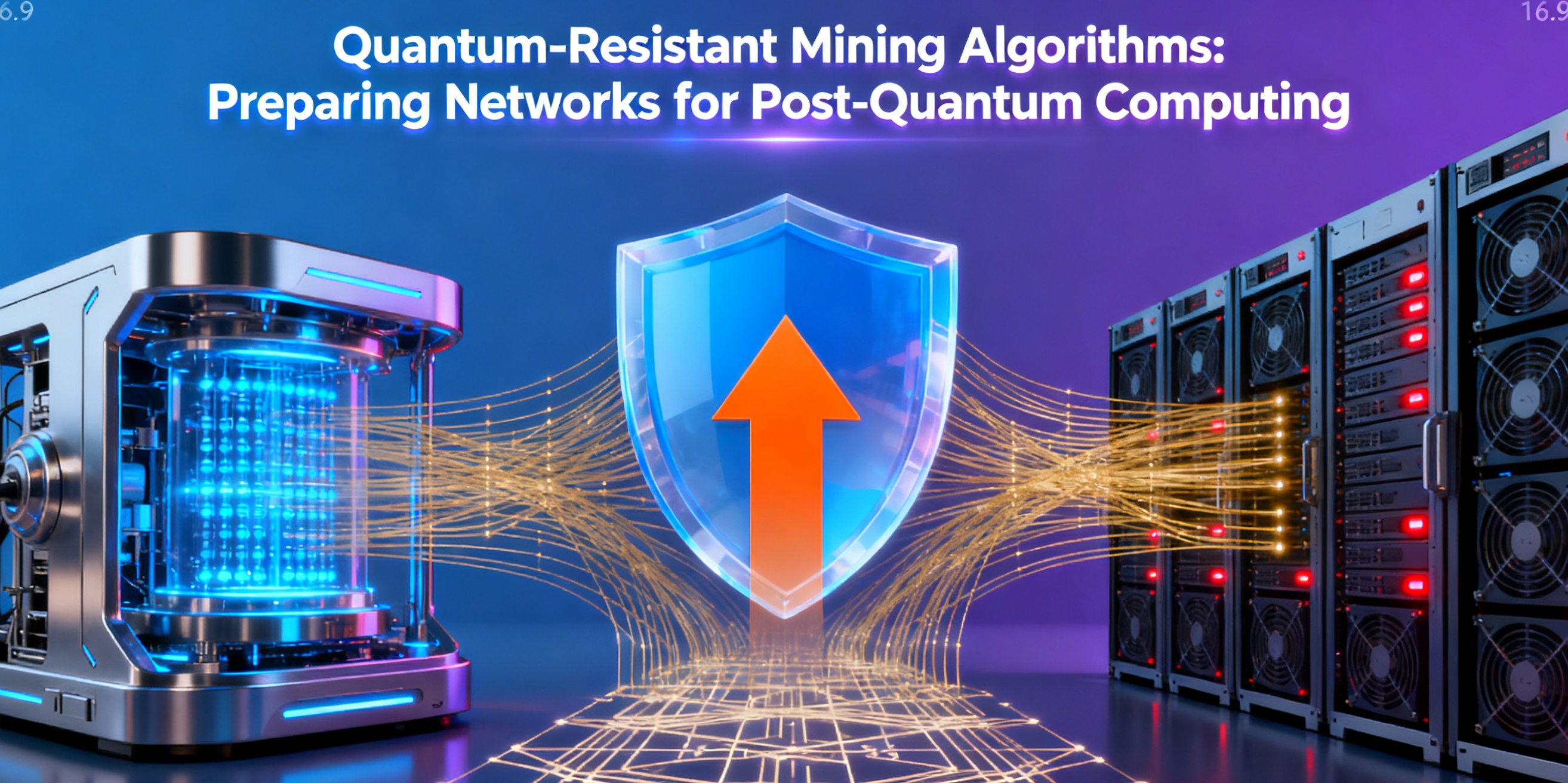
Many people wonder how individuals can mine Bitcoin to earn it. While the days of using a simple laptop are largely over, it is still possible for individuals to participate in Bitcoin mining. This guide breaks down the essential steps and considerations for starting your mining journey today.
The core process of Bitcoin mining involves using specialized computer hardware to solve complex mathematical puzzles. These puzzles are part of securing the Bitcoin network and verifying transactions. When a miner successfully solves a puzzle, they add a new block of transactions to the blockchain and are rewarded with newly minted Bitcoin and transaction fees. This is the primary way new Bitcoin enters circulation.
For individual miners, the first and most critical decision is choosing the right hardware. Application-Specific Integrated Circuits (ASICs) are the undisputed standard for Bitcoin mining. These machines are built solely for mining and offer vastly superior power and efficiency compared to GPUs or CPUs. When selecting an ASIC miner, consider its hash rate (computational power), energy consumption (watts), and upfront cost. Popular models come from manufacturers like Bitmain, MicroBT, and Canaan.
Electricity cost is arguably the most important factor for profitability. Mining hardware runs 24/7 and consumes significant power. If your electricity rate is high, your earnings may be completely wiped out. Before investing in hardware, use an online Bitcoin mining calculator. Input your hardware's specs, electricity cost, and the current Bitcoin price to estimate potential profit or loss.
Given the immense difficulty of mining Bitcoin alone, most individuals join a mining pool. A mining pool is a group of miners who combine their computational power to increase their chances of finding a block. Rewards are then distributed among pool members based on the amount of work contributed. Pools like Foundry USA, Antpool, and F2Pool are major players. Joining a pool provides more frequent, predictable payouts.
You will need Bitcoin mining software to connect your hardware to the blockchain and your chosen mining pool. The software relays information and solutions between these points. Some popular options include Braiins OS, CGMiner, and EasyMiner. Many ASIC manufacturers also provide their own software.
Finally, you need a secure Bitcoin wallet to receive and store your earnings. A wallet address is where your mining pool will send your rewards. Options range from custodial wallets on exchanges to non-custodial hardware wallets like Ledger or Trezor for maximum security. Never mine directly to an exchange address without confirming it supports such transactions.
Beyond the basics, be aware of key challenges. The global Bitcoin network mining difficulty adjusts regularly, meaning your machine will generate less Bitcoin over time. Heat and noise from ASIC miners are substantial; proper ventilation and a suitable location (like a cool basement) are mandatory. Always research local regulations regarding cryptocurrency mining.
For those daunted by the hardware and setup, cloud mining is an alternative. It involves renting mining power from a remote data center. While simpler, it carries higher risk of fraud and often lower profitability due to service fees. Thoroughly vet any cloud mining provider.
Bitcoin mining for individuals has evolved into a competitive, industrial-scale activity. However, with careful research focusing on ASIC hardware, electricity costs, and by joining a reputable pool, dedicated individuals can still participate. Success requires treating it as a serious technical and financial undertaking, constantly calculating profitability against the volatile price of Bitcoin and ever-increasing network difficulty.
Comment