 No KYC
 Proof-of-Stake
 Blockchain Verified
 Non-Custodial
 Auto-Compounding
How to Mine Bitcoin at Home: A Beginner's Guide to Earning Crypto
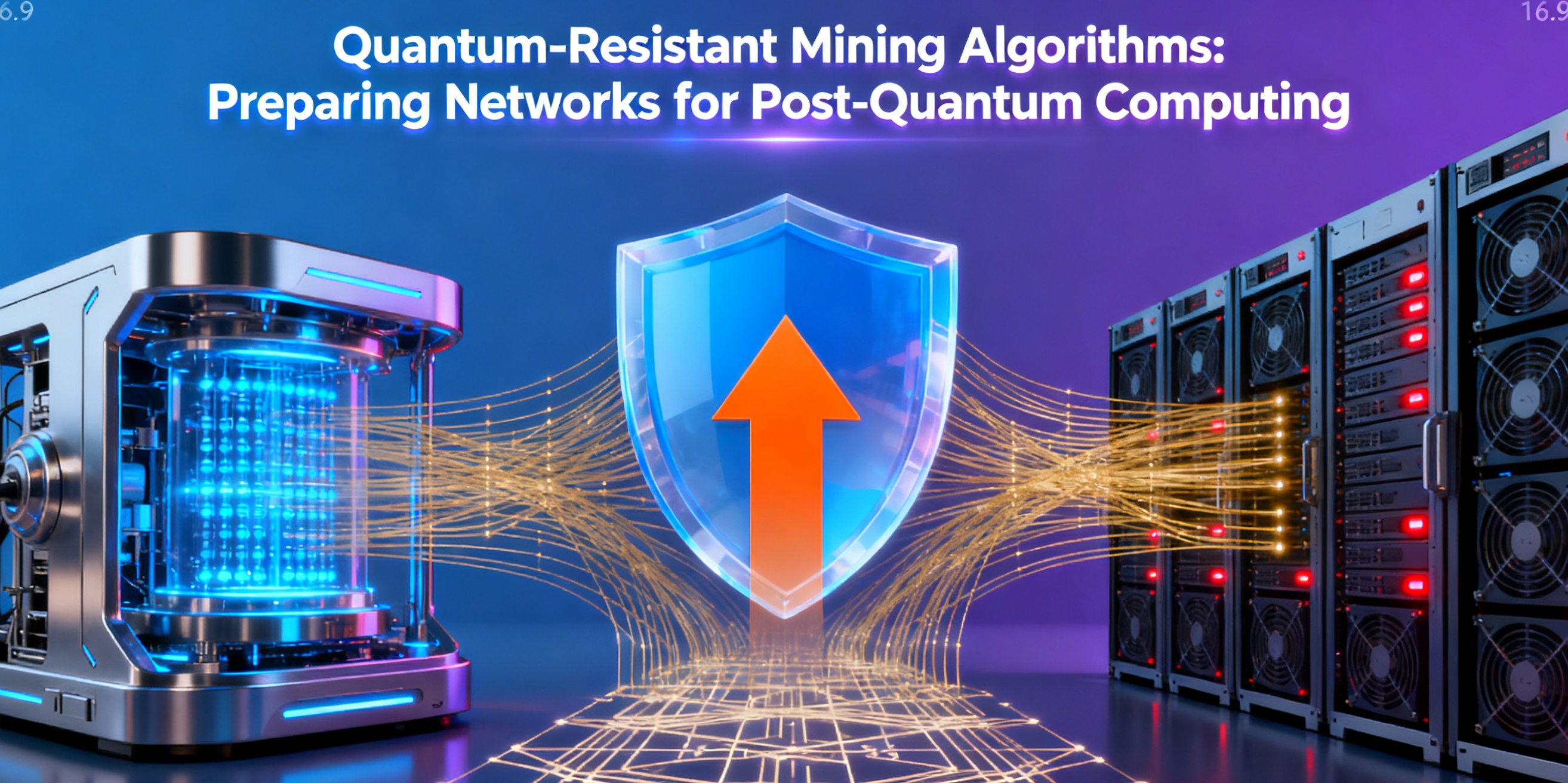
Many people wonder if it's still possible to mine Bitcoin themselves to make money. The short answer is yes, but the landscape has changed dramatically since Bitcoin's early days. This guide will walk you through the essentials of solo Bitcoin mining in the modern era, outlining the requirements, costs, and realistic profit potential.
Bitcoin mining is the process of using specialized computers to solve complex mathematical problems that validate transactions on the Bitcoin network. Successful miners are rewarded with newly created Bitcoin and transaction fees. While it was once feasible to mine with a standard home computer, today it requires significant investment in hardware and energy.
The absolute first step is understanding the hardware. You will need an Application-Specific Integrated Circuit (ASIC) miner. These are machines designed solely for mining cryptocurrencies like Bitcoin. Popular and efficient models come from manufacturers like Bitmain, MicroBT, and Canaan. Expect to invest several thousand dollars for a new, powerful unit. Using a regular PC or even a gaming GPU is no longer viable for Bitcoin mining.
Next, you must consider your electricity cost. Mining rigs consume massive amounts of power and run 24/7. Your profit, or often loss, is directly tied to your electricity rate per kilowatt-hour. Before buying any equipment, use an online Bitcoin mining calculator. Input your hardware's power consumption, electricity cost, and the current Bitcoin price to estimate potential earnings. In many regions, residential electricity costs are too high for mining to be profitable.
You will also need mining software and a Bitcoin wallet. The software connects your ASIC miner to the blockchain and a mining pool. A wallet is a secure digital address where you store your earned Bitcoin. For security, use a reputable hardware wallet for significant earnings.
Speaking of mining pools, solo mining—where you mine alone—is incredibly unlikely to yield a reward due to the immense network difficulty. Instead, most individual miners join a "mining pool." Pools combine the computational power of all participants. When the pool finds a block, the reward is distributed among members based on their contributed share of the work. This provides a smaller, but more steady and predictable stream of income.
Setup involves connecting your ASIC miner to your internet router via Ethernet, configuring it with the pool's server address and your worker credentials, and letting it run. You must also ensure proper cooling and ventilation, as these devices generate considerable heat and noise, making a basement or dedicated space ideal.
So, can you make money? It is a high-risk, capital-intensive venture. Profitability depends on Bitcoin's market price, the network's mining difficulty (which consistently rises), and your operational costs. The initial investment in hardware can take a year or more to recoup, if ever. Many home miners treat it as a hobby that subsidizes costs while supporting the network, rather than a get-rich-quick scheme.
In conclusion, mining Bitcoin yourself at home is technically possible but requires serious upfront investment and low-cost electricity. Thorough research and continuous calculation are crucial. For most beginners, joining a reputable mining pool is the only feasible path to potentially earn Bitcoin through mining. Always remember that the cryptocurrency market is volatile, and mining should be approached with cautious expectation management.
Comment