 No KYC
 Proof-of-Stake
 Blockchain Verified
 Non-Custodial
 Auto-Compounding
How to Mine Bitcoin for Profit: A Beginner's Step-by-Step Guide 2024
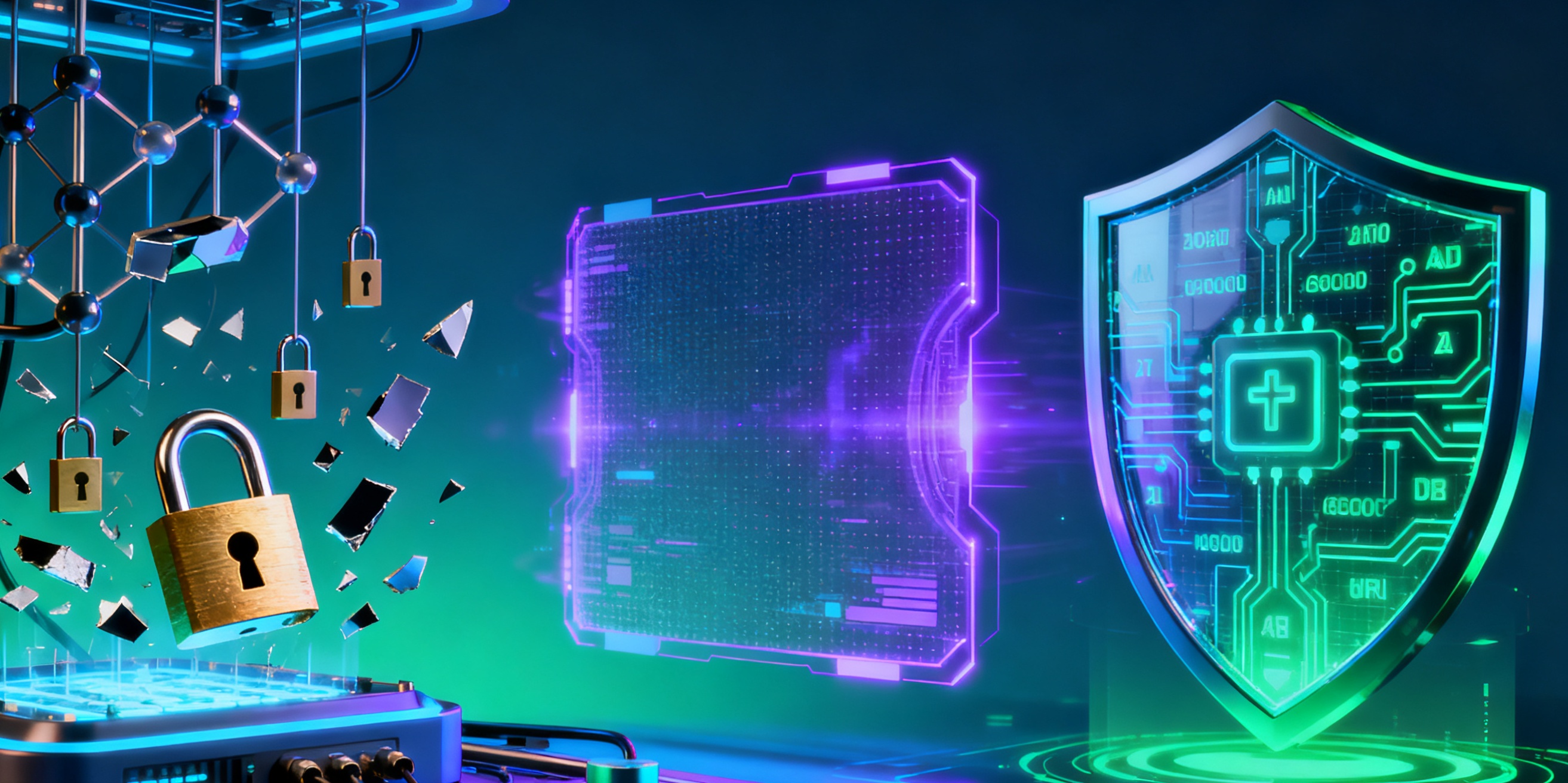
Many people see Bitcoin mining as a complex way to make digital money. This guide breaks down how Bitcoin mining works and the realistic ways you can start earning from it today. We will explore the essential steps, equipment, and costs involved in starting your mining journey.
At its core, Bitcoin mining is the process that secures the network and verifies transactions. Miners use powerful computers to solve complex mathematical puzzles. The first miner to solve the puzzle gets to add a new block of transactions to the blockchain and is rewarded with newly created Bitcoin and transaction fees. This is how new Bitcoin enters circulation and how miners earn revenue.
To start mining Bitcoin profitably, you need the right hardware. In the early days, people used regular computer CPUs, then GPUs. Today, professional miners use specialized hardware called ASICs (Application-Specific Integrated Circuits). These machines are designed solely for mining Bitcoin and offer vastly superior power and efficiency compared to general-purpose hardware. Choosing a modern, energy-efficient ASIC miner is crucial for staying competitive.
Beyond the hardware, you must consider the ongoing costs. Electricity is the most significant recurring expense. Mining rigs consume substantial power, and your profitability depends heavily on your electricity cost per kilowatt-hour. You also need a stable, cool environment for your equipment and a reliable internet connection. Calculating your potential profit requires subtracting these operational costs from your expected Bitcoin earnings.
Most individual miners join a mining pool. A mining pool is a group of miners who combine their computational power to increase their chances of solving a block and earning the reward. When the pool succeeds, the reward is distributed among members based on the amount of computing power they contributed. This provides a more steady and predictable income stream compared to solo mining, which can take years to find a block alone.
The first step is to acquire your ASIC miner from a reputable supplier. Next, you'll need to choose and join a mining pool, creating an account and getting your worker credentials. Then, you configure your mining hardware with the pool's server address. Finally, you install mining software on a connected computer or use the miner's built-in interface to connect it to the pool and start hashing. The pool's website will then track your contributions and earnings.
Before investing, it's critical to calculate potential profitability. Use an online Bitcoin mining calculator. Input your hardware's hash rate, power consumption, electricity cost, and pool fees. The calculator will estimate your daily, weekly, or monthly earnings in Bitcoin and your local currency. Remember, Bitcoin's price is volatile, and mining difficulty adjusts regularly, so these are only estimates. Always factor in the initial cost of your mining rig.
Cloud mining is an alternative that involves renting mining power from a large data center. You pay for a contract and receive a share of the profits generated. While it eliminates the hassle of managing hardware, it requires thorough research to avoid scams and often offers lower profit margins due to service fees. It is generally less profitable than owning and operating your own equipment if you have access to cheap electricity.
Successful Bitcoin mining in 2024 requires treating it as a serious business venture. Thorough research, careful calculation of costs versus potential returns, and understanding the technological and market risks are essential. Start small, learn continuously, and never invest more than you can afford to lose. By managing your setup efficiently and staying informed, you can participate in securing the Bitcoin network while aiming to generate a profit.
Comment